
Summer Indoor Air Quality in Sherwood Park: What’s Happening Inside Your Home and How to Fix It
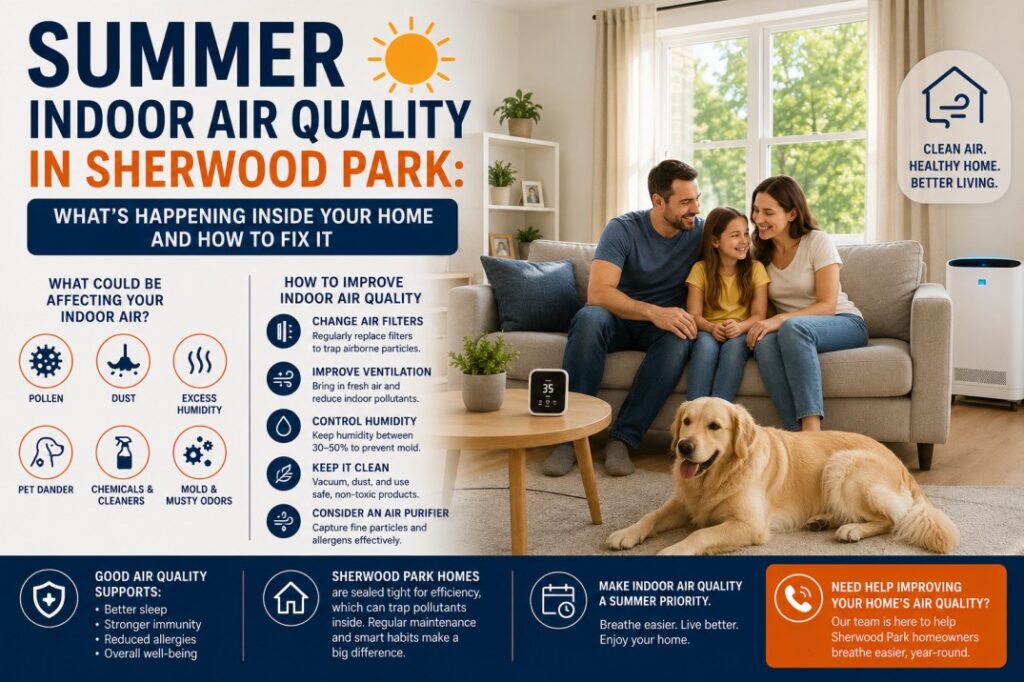
Summer Indoor Air Quality in Sherwood Park: What’s Happening Inside Your Home and How to Fix It Most homeowners think about indoor air quality in winter — dry furnace air, static electricity, stuffy rooms. Summer feels different: windows open, fresh air available, the house breathing more easily. The reality is more complicated. Summer in Sherwood Park introduces a distinct set of indoor air quality challenges that most homeowners are not thinking about, and some of them are actually worse than anything the heating season produces. This guide walks through what actually happens to the air inside your home during summer, what the common symptoms are, and what the practical solutions look like. Why Summer Air Quality Is Different — Not Better Wildfire smoke and outdoor particulate Alberta summers increasingly bring smoke from wildfires across western Canada. During smoke events, the outdoor air quality in Sherwood Park can drop dramatically, and simply opening windows — the instinctive summer solution to stuffy air — pulls that particulate directly into your home. Fine particulate matter from wildfire smoke (PM2.5) is small enough to penetrate deep into the lungs and is associated with respiratory irritation, worsened asthma symptoms, cardiovascular stress, and other health effects. During a smoke event, a home without any air filtration or purification is simply full of outdoor air — including everything in it. Cottonwood season and pollen Sherwood Park’s spring and early summer cottonwood season is notorious for its intensity, and the pollen and airborne particles it produces don’t stay outside. Standard HVAC filters catch some of this material, but lower-MERV filters (the basic fibreglass type found in many homes) allow a significant portion of fine pollen and allergen particles to pass through and circulate throughout the home. For households with allergy sufferers or anyone with respiratory sensitivities, this is a meaningful seasonal problem that air filtration can substantially reduce. Humidity and biological growth Summer brings higher outdoor humidity, and in a home where the air conditioning is running regularly, the humidity level inside fluctuates as the system cycles on and off. When the AC is running, it dehumidifies the air as a byproduct of cooling. When it cycles off, humidity begins to recover. In areas of the home that don’t receive conditioned air uniformly — basements, crawlspaces, poorly ventilated closets, areas behind large furniture — humidity can remain elevated enough during summer to support mould and bacterial growth. The resulting spores and volatile organic compounds (VOCs) then circulate through the home via the HVAC system. VOCs from summer activities Summer home improvement projects, painting, cleaning, and new furniture or flooring all release volatile organic compounds into the indoor environment. VOCs are a broad category of airborne chemicals that includes everything from paint solvents to formaldehyde off-gassing from engineered wood products. At sufficient concentrations, they cause headaches, eye and throat irritation, and — with chronic exposure — more serious health effects. The combination of warmer temperatures (which accelerates off-gassing) and tighter house construction (which reduces natural air exchange) means VOC concentrations can be higher in summer than at other times of the year, particularly in newer or recently renovated homes. What Good Summer Indoor Air Quality Looks Like Filtration: The first line of defence Your furnace filter is also your air conditioner’s filter — the same filter is in the airstream whenever the system is circulating air, whether for cooling or heating. During summer when the AC is running, that filter is actively catching whatever is circulating through the home. A MERV 8 filter (the standard pleated filter available at most hardware stores) catches particles down to about 3 microns — adequate for basic dust and pollen but not for wildfire smoke particulate or the finest allergens. A MERV 13 filter catches particles down to 0.3 microns, which includes wildfire smoke PM2.5, fine pollen, mould spores, and many bacteria. It is the minimum rating that provides meaningful protection during smoke events. One important caveat: higher-MERV filters restrict airflow more than lower-MERV filters. Not every HVAC system is designed to handle the additional resistance of a MERV 13 filter without affecting system performance or accelerating wear on the blower motor. Check with a licensed HVAC technician before upgrading your filter rating — or have a whole-home air filtration system installed that is properly matched to your system’s airflow capacity. Whole-home air purifiers: A permanent solution A whole-home air purifier integrates directly with your HVAC system and treats all of the air circulating through the home — not just the air in whatever room a portable unit happens to be sitting in. Modern whole-home air purification systems use a combination of high-efficiency filtration, UV-C light technology, and in some cases ionisation to neutralise airborne particles, allergens, mould spores, bacteria, and VOCs. Because they work in the main airstream, they treat the air in every room of the house every time the system circulates — which is a fundamentally different level of coverage than any portable unit can provide. For Sherwood Park homeowners dealing with seasonal allergies, households with young children or immunocompromised family members, or homes in areas affected by wildfire smoke, a whole-home air purifier is the most comprehensive available solution. Humidity management in summer Unlike winter, when dry furnace air makes whole-home humidifiers essential, summer humidity management is typically about control rather than addition. For most Sherwood Park homes, the air conditioning system handles enough dehumidification during cooling cycles to keep indoor humidity in a comfortable range. The areas to watch are those that the AC does not adequately reach: basements, crawlspaces, and rooms with limited airflow. If these areas feel persistently damp or develop a musty smell in summer, a targeted dehumidifier or an improvement to the HVAC airflow in those areas is worth investigating. If you do use a whole-home humidifier (which most Sherwood Park homes benefit from in winter), ensure it is set correctly for summer operation — or turned off entirely. Running a humidifier into summer when ambient humidity is already adequate can contribute
Humidifier basics: everything you need to know before buying one
Humidifier basics: everything you need to know before buying one Dry indoor air can leave you dealing with uncomfortable symptoms, especially when you have issues with your skin, nose, throat and lips. A humidifier adds moisture to your home’s air. Proper humidity levels between 30 and 50% can substantially improve your comfort and health. We’ve created this guide to help you understand what a humidifier is, what humidifiers do and how to choose the right Aprilaire humidifier for your needs. You’ll learn about whole-house humidifiers and room humidifiers, the different types including bypass and steam models, how to select the best humidifier for your bedroom and throughout your home — plus installation and maintenance tips. If you’re already wondering about the overall air quality inside your home, a humidifier is one key piece of that puzzle. What is a humidifier and what do humidifiers do? How air humidifiers add moisture to your home An Aprilaire humidifier is a device that adds moisture to your indoor air by converting water into vapour or mist. The system draws water from a reservoir and disperses it throughout your home, helping maintain optimal humidity levels in your living spaces. Aprilaire offers different technologies to achieve this. Some models use evaporation — air passes through a water-saturated panel and picks up moisture naturally. Other systems use steam generation, heating water to create vapour released directly into your ductwork. Each method increases the moisture content in your home’s air and counteracts the dryness caused by heating systems during winter months. If you’re also concerned about contaminants beyond dryness, our air purifier installation service in Sherwood Park works seamlessly alongside humidification for whole-home air quality. Common problems humidifiers solve An Aprilaire house humidifier addresses many discomforts you might experience when indoor air lacks sufficient moisture: Central heating systems pump dry air throughout your home, and these problems become especially noticeable during colder months. Understanding how your furnace impacts indoor air quality is equally important — your heating system and humidifier work together as a team. An Aprilaire air humidifier solves these moisture issues by restoring humidity balance. Benefits for health and comfort An Aprilaire humidifier provides significant health advantages once installed. Your respiratory system functions more smoothly when moisturized — the added humidity helps thin mucus and makes coughing more productive. Breathing becomes easier. You can run an Aprilaire humidifier at night to improve sleep quality. Moisturized airways reduce snoring, and you’re less likely to wake up with a dry mouth or throat discomfort. Proper humidity levels can reduce airway inflammation for those with asthma or sinusitis. Our detailed post on the benefits of installing a humidifier in your home explores these health advantages in greater depth. Your home benefits too. Wood furniture and musical instruments maintain their integrity without cracking. Humidified air feels warmer, allowing you to lower your thermostat settings and reduce energy costs. Houseplants thrive in humidified environments, and your electronics experience less static buildup. For a full picture of what affects your home’s air, read our comprehensive guide to enhancing home air quality. Types of Aprilaire house humidifiers Aprilaire bypass humidifiers Aprilaire bypass humidifiers represent the most affordable option for whole-house humidification. These passive systems depend on your furnace’s blower motor and use a 6-inch bypass duct connecting the supply and return plenums. These units operate without noise since they lack their own fan motor. The term “flow-through” refers to water trickling through the water panel and out a drain, which flushes scale from calcium and lime buildup. Performance ties to furnace runtime, which can limit effectiveness with high-efficiency, multi-stage furnaces that have shorter heating cycles. If your furnace is aging or underperforming, it may be worth reviewing our furnace services in Sherwood Park to ensure your HVAC system supports proper whole-home humidification. Aprilaire steam humidifiers Steam humidifiers use electrode technology to boil water in a disposable canister. These units work for homes up to 6,200 square feet and deliver up to 34.6 gallons of moisture per day. They operate independently of heating cycles and provide the most precise humidity control available. Steam models work best with mineral-rich water, while bypass units need water with minimal minerals. Maintenance involves replacing the canister once per heating season. If your home uses hard water, you might also want to read about whether you need a water softener — mineral content directly impacts how your humidifier performs and how often it needs servicing. How to choose between models Your selection depends on home size, HVAC system type and budget. Single-stage or variable-speed furnaces pair well with bypass units. Steam humidifiers suit very large homes or spaces that need tight humidity control for wood furniture or musical instruments. Whole-house vs room humidifier options Aprilaire whole-house systems connect to your water supply and distribute moisture throughout your entire home via ductwork. Portable room humidifiers require daily refills and cleaning. Aprilaire units need maintenance just once or twice per heating season — making them the far more practical long-term choice for Alberta homeowners. Our blog on how proper humidifier installation improves indoor air quality in Sherwood Park — even in summer explains why year-round use delivers the best results. Key features to look for Digital humidistat controls let you monitor and adjust settings with ease. Automatic operation responds to real-time humidity levels without manual intervention, ensuring your home stays in the ideal comfort range at all times. Installing and maintaining your Aprilaire humidifier Professional installation vs DIY Qualified HVAC contractors must install Aprilaire humidifiers to maintain warranty coverage. Professional installation ensures proper electrical connections, water line hookups, and duct integration. DIY installation could save money upfront, but errors may spike energy bills or damage your HVAC system. Ready to install? Call us at (780) 449-5322 or visit our humidifier installation page for Sherwood Park to book with our certified HVAC technicians. We also serve homeowners in Fort Saskatchewan, Ardrossan and across Strathcona County. Not sure how to find the right contractor? Our guide on how to find a quality HVAC contractor walks you through what to look for, what questions to ask, and how to avoid costly mistakes. Professional help prevents expensive
Mould, Dust & VOCs: What Air Quality Pros Really Find in Canadian Homes
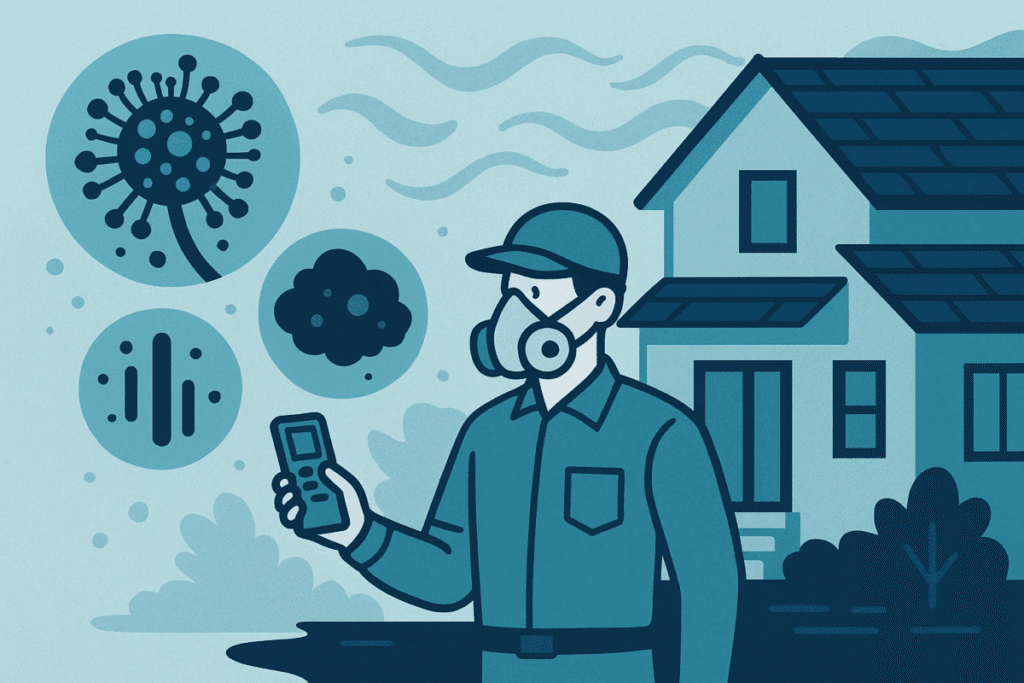
Mould, Dust & VOCs: What Air Quality Pros Really Find in Canadian Homes When most people hear “air pollution,” they picture busy highways or factory smokestacks — not their own living room. But indoor air can hide some of the most harmful pollutants, quietly impacting your health every single day. We, as Air Quality Professionals, are uncovering what’s really in the air you breathe at home — and it’s often more alarming than most homeowners expect. The Big Three: What’s Lurking Indoors? 1. Mould SporesMould thrives in damp, dark areas — think basements, bathrooms, and behind walls. Even if you can’t see or smell it, mould spores can circulate through your HVAC system, causing respiratory issues, allergies, and chronic fatigue. Professionals use advanced detection tools to identify hidden growth before it becomes a visible problem. 2. Dust and Particulate MatterDust is more than just a visual annoyance — it’s a complex mix of skin cells, pet dander, pollen, and microscopic fibres from carpets, furniture, and flooring. If your air ducts haven’t been cleaned in years, they could be redistributing these contaminants throughout your home with every breath you take. Air quality assessments measure particulate levels and help determine whether deeper cleaning or filtration upgrades are needed. 3. Volatile Organic Compounds (VOCs)Volatile Organic Compounds (VOCs) are gases released by common household items — including paints, cleaning products, furniture, and flooring. Prolonged exposure to elevated VOC levels has been associated with headaches, respiratory irritation, and even long-term neurological effects. Air quality professionals detect VOC concentrations and recommend ventilation improvements or safer product alternatives. Why a Professional Assessment Matters At Sherwood Mechanical, we use industry-grade equipment to perform a full analysis of your home’s air quality — including humidity checks, carbon monoxide testing, and ventilation reviews. Unlike DIY purifiers and filters, our certified approach addresses the root cause of poor air quality. They also provide detailed reports and actionable recommendations to improve your home’s air — from upgrading HVAC filters to installing HEPA systems. When Should You Get an Air Quality Assessment? After renovations or new paint/furniture installation If household members experience chronic allergies or asthma When buying or selling a home If you’re experiencing persistent musty odours, elevated humidity levels, or unexplained health symptoms. Clean Air Is a Long-Term Investment Indoor air quality isn’t a luxury — it’s a necessity for your family’s health and comfort. Whether you live in a downtown condo or a countryside bungalow, the air inside can be five times more polluted than the air outside. Hire our indoor air quality professionals to help you identify hidden hazards, take proactive steps, and breathe a little easier — every day.
Keep Your Alberta Home’s Air Fresh This Summer with These Simple Steps

Keep Your Alberta Home’s Air Fresh This Summer with These Simple Steps When Alberta’s summer heat rolls in, we naturally spend more time indoors with the AC cranked up. But while we focus on staying cool, it’s easy to overlook the quality of the air we’re breathing inside our homes. Between wildfire smoke, dust, pollen, and pet dander, indoor air can quickly become stale, stuffy, and even hazardous. The good news? You don’t need a major renovation or an expensive overhaul to freshen up your air. With a few smart, budget-friendly moves, you can noticeably improve your home’s indoor air quality and create a healthier, more comfortable living space this season. Upgrade to High-Quality Air Filters Your HVAC system’s air filter is the first line of defence against airborne irritants. Standard filters often miss fine particles like smoke, pollen, and mould spores — especially during Alberta’s wildfire season. Swapping out your regular filter for a high-efficiency option can capture more of these pollutants. It’s a simple, affordable upgrade that makes a noticeable difference in the air you breathe. Clean and Maintain Your AC System Your AC doesn’t just cool your home — it circulates the air you breathe. If it’s clogged with dust, dirt, and debris, it can push those contaminants through your home all summer long. Scheduling a professional AC tune-up at the start of the season ensures clean, efficient airflow. A technician can clean your coils, ducts, and fans, improving air circulation and reducing airborne pollutants while keeping your system energy-efficient. Invest in a Portable Air Purifier For high-traffic areas like living rooms, bedrooms, or home offices, a portable air purifier is an easy, effective solution. Choose a unit with a HEPA filter, which captures up to 99.97% of airborne particles — including allergens, dust, and smoke particles — especially useful during Alberta’s wildfire season. They’re energy-efficient, quiet, and perfect for boosting air quality where you spend the most time. Control Humidity Levels Summer in Alberta can swing between dry heat and humid stormy days. High indoor humidity creates a breeding ground for mould and dust mites, while air that’s too dry can irritate your respiratory system. Use a hygrometer to track levels and aim for 30%–50%. Too dry? Run a humidifier in key rooms to protect your skin, sinuses, and airways. Too humid? A dehumidifier will help cut moisture and reduce mould and dust mites. Simple fixes, big difference. Let Fresh Air In (When It’s Safe) When outdoor air quality is good, open your windows in the early morning or late evening to let fresh air circulate. Cross-ventilating for even 15 minutes a day can reduce indoor pollutant buildup. However, always check local air quality reports first, especially during wildfire season, and keep windows closed when smoke or allergens are high. Final Thought Indoor air quality directly affects your comfort, sleep, and long-term health — and improving it doesn’t have to be complicated or costly. By making a few small upgrades and seasonal adjustments, Alberta homeowners can breathe easier, stay cooler, and create a safer, fresher living space this summer. Ready to Breathe Easier This Summer? Book an HVAC tune-up, upgrade your filters, or explore air purifier options today. Small changes make a big difference when it comes to the air you live in. Contact our local Alberta HVAC pros now and enjoy a healthier, cooler home all season long.
How Proper Humidifier Installation Can Improve Indoor Air Quality in Sherwood Park — Even in Summer
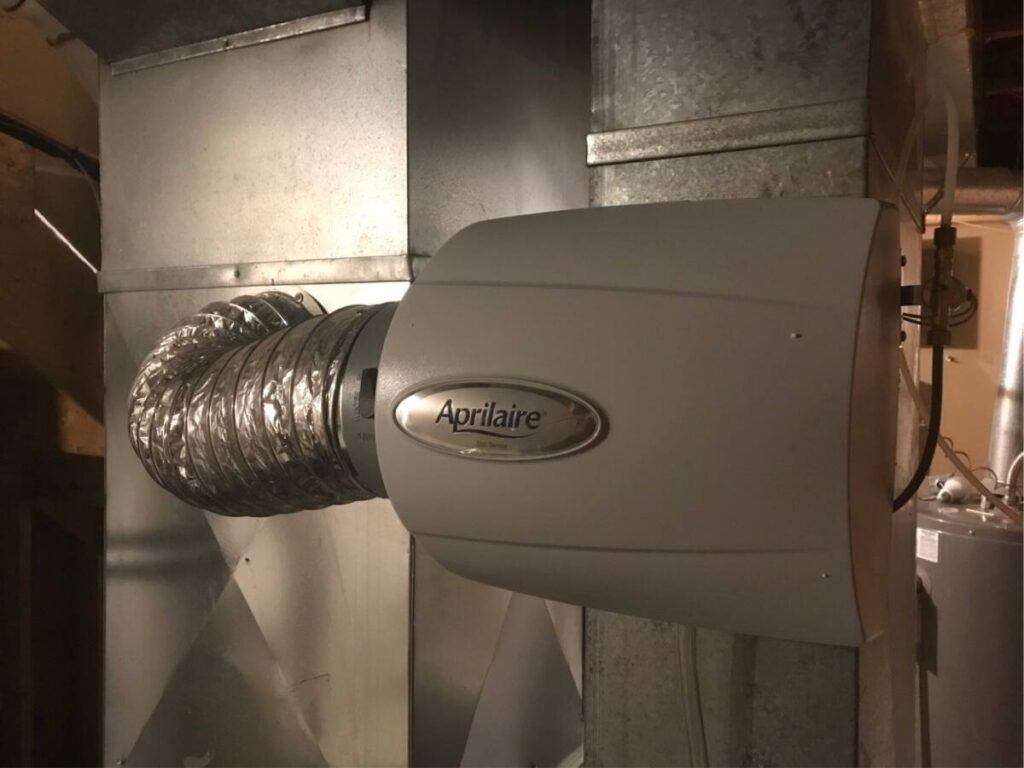
How Proper Humidifier Installation Can Improve Indoor Air Quality in Sherwood Park — Even in Summer When you think of a humidifier, you probably picture a comforting mist of moisture on a cold winter night. And while it’s true that humidifier installation in Sherwood Park is essential during the dry winter months, many homeowners overlook how valuable it can be in the warmer seasons, too. Yes — even in the summer, your home’s air can become uncomfortably dry. Whether it’s from continuous air conditioning or naturally low humidity, poor moisture levels can affect your health, comfort, and home. That’s where professional humidifier installation services can make a big difference. Why Is Indoor Air So Dry in Summer? You might assume summer air is always humid, but it depends on your home’s environment. In Sherwood Park, when temperatures rise, most households turn to their air conditioners for relief. But AC units don’t just cool the air — they also strip away much of its natural moisture. As a result, you can experience dry air indoors even when it’s warm and muggy outside. This imbalance often leads to irritated skin, dry throats, headaches, and discomfort, especially for those with allergies or asthma. 5 Ways Humidifier Installation Helps in Summer Maintains Ideal Indoor Humidity LevelsProfessional installation services help maintain a consistent indoor humidity range of 30-50%, even when your air conditioner is running nonstop. Balanced air prevents dry skin, nosebleeds, and respiratory irritation that many experience in cooled, dry environments. Reduces Allergens and Airborne IrritantsDry air allows dust, pet dander, and other allergens to remain airborne longer. A properly installed humidifier adds enough moisture to help these particles settle, improving air quality and reducing allergy symptoms during Sherwood Park’s allergy-prone seasons. Supports Better Sleep QualityLow humidity levels can lead to dry nasal passages and throat discomfort, disrupting sleep. Adding a humidifier to your HVAC system can help maintain comfortable moisture levels throughout the night, promoting deeper, more restful sleep. Protects Wooden Fixtures and FurnitureHumidity swings aren’t great for wood. Floors, cabinetry, doors, and furniture can shrink or crack if exposed to dry indoor air for too long. Humidifier installation in Sherwood Park stabilizes your home’s moisture levels year-round, preserving your investment in hardwood flooring and custom woodwork. Complements Air Conditioning for Balanced ComfortContrary to popular belief, humid air doesn’t have to mean stuffy, uncomfortable air. Whole-home humidifiers installed by local installation services work alongside your AC system, preventing that overly dry, crisp feeling many experience in air-conditioned spaces. Why Choose Professional Humidifier Installation in Sherwood Park? While portable humidifiers can temporarily fix air dryness in a single room, they aren’t a long-term solution for your entire home. A professionally installed whole-home system integrates with your existing HVAC setup, ensuring even distribution of moisture in every room. With expert services, you get: Correctly sized equipment for your home Seamless connection to your HVAC system Balanced humidity year-round Low-maintenance operation Plus, a reliable humidifier can help reduce static electricity, protect your belongings, and keep your indoor air quality healthier no matter the season. Final Thoughts Whether it’s mid-winter or the peak of summer, balanced humidity is essential for a healthy, comfortable living space. Investing in humidifier installation in Sherwood Park isn’t just a cold-weather decision — it’s a year-round upgrade for your home’s air quality and your family’s well-being. Ready to take control of your indoor comfort? Connect with our trusted local team for professional installation services today, and discover how a whole-home humidifier can enhance your air quality and comfort in every season.
A Comprehensive Guide to Enhancing Home Air Quality

A Comprehensive Guide to Enhancing Home Air Quality Indoor air quality (IAQ) is vital to your health and well-being. Surprisingly, the air inside your home can be more polluted than outdoor air due to accumulated pollutants. Common culprits include volatile organic compounds (VOCs) from furniture and cleaning products, dust mites, pollen, and mold. Without proper management, these contaminants can negatively affect your respiratory health and overall quality of life. Air quality professionals emphasize that poor IAQ can worsen conditions such as asthma and allergies and, over time, contribute to chronic respiratory diseases, heart disease, and even cancer. Understanding these risks is the first step toward improving your indoor environment. By reducing pollutants, improving ventilation, and using air purifiers, you can create a healthier home environment. Working with a professional can help you develop personalized strategies to ensure the air in your home is clean and safe for your family. Common Indoor Pollutants and Their Health Effects Being aware of common indoor air pollutants can help you take proactive measures to minimize exposure: Volatile Organic Compounds (VOCs): Emitted from paints, solvents, and household cleaners, VOCs can cause headaches, dizziness, and long-term organ damage. Particulate Matter (PM): Found in smoke, dust, and pollen, fine particles can penetrate deep into the lungs, exacerbating respiratory conditions. Mold and Mildew: Thriving in damp environments, these fungi can lead to respiratory infections and allergic reactions. Children, the elderly, and individuals with pre-existing conditions are particularly vulnerable to these pollutants. Awareness of these risks underscores the importance of professional assessments and remediation. Key Factors Affecting Home Air Quality Several elements influence IAQ. Understanding and managing these factors can lead to healthier indoor air: Ventilation: Insufficient airflow traps pollutants inside. Opening windows, using exhaust fans, or installing mechanical ventilation systems can improve air circulation. Humidity Control: High humidity fosters mold growth, while low humidity causes respiratory discomfort. Maintaining indoor humidity between 30-50% is ideal. Source Control: Reducing pollutant sources, such as limiting VOC-emitting products and maintaining combustion appliances, is key to better IAQ. Taking these measures, along with assessments, helps create a healthier living space. DIY vs. Professional Air Quality Improvement While some air quality improvements can be managed independently, professional expertise offers deeper insights and long-lasting benefits. DIY Methods: Regular Cleaning: Dusting and vacuuming with HEPA filters help reduce particulate matter. Air Purifiers: HEPA-equipped purifiers remove contaminants. Houseplants: Certain plants can absorb toxins, though their impact is limited compared to professional interventions. Professional Methods: Comprehensive Assessments: Identify and address hidden pollutants that DIY methods might miss. Customized Solutions: Professionals develop targeted strategies based on your home’s needs. Ongoing Monitoring: Continuous assessments help maintain and improve IAQ over time. While DIY methods offer short-term improvements, professionals provide thorough, long-term solutions. The Long-Term Benefits of Investing in Air Quality Services Investing in air quality improvements yields numerous long-term advantages: Healthier Living Environment: Reduced exposure to pollutants decreases the risk of respiratory issues and allergies. Increased Property Value: Homes with high IAQ appeal more to buyers. Energy Efficiency: Proper ventilation and air purification systems can lower energy costs and reduce your carbon footprint. Peace of Mind: Knowing your home has been professionally assessed ensures a safer, healthier environment. By prioritizing IAQ, you’re not just enhancing comfort—you’re making a lasting investment in your health and home. Conclusion: Breathe Easier with Expert Solutions Enhancing indoor air quality is essential for overall well-being. Understanding pollutants, engaging professionals, and investing in air quality services can make a significant difference in your home environment. Air quality experts offer the knowledge, and strategies needed to improve IAQ effectively. Whether through assessments, or customized recommendations, their expertise helps create cleaner, healthier living spaces. Investing in air quality services is a proactive step toward better health, increased property value, and peace of mind. If you’re ready to improve your IAQ, consult us. With the guidance of our professionals, you can ensure a safer, more comfortable home for yourself and your loved ones.
Important Steps to Ensure Furnace Safety and Improve Indoor Air Quality
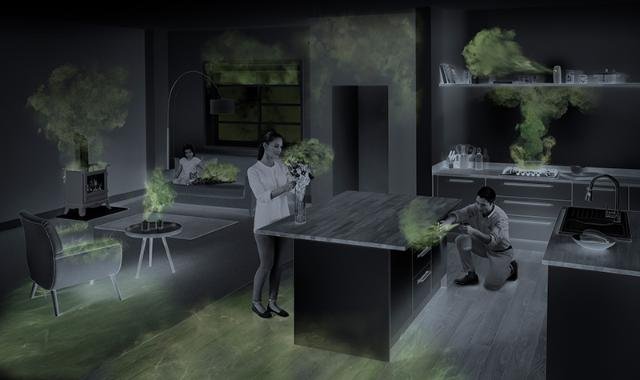
Important Steps to Ensure Furnace Safety and Improve Indoor Air Quality Indoor air quality (IAQ) significantly affects your health. Poor air quality can lead to respiratory issues, allergies, and chronic conditions. Surprisingly, indoor air can be more polluted than outdoors due to volatile organic compounds (VOCs), dust, mould spores, and particulates.Your furnace plays a key role in IAQ, circulating air throughout your home. If not properly maintained, it can worsen air quality by spreading contaminants. Regular furnace care is essential for a healthier living space. The Furnace’s Role in Clean Air A well-maintained furnace is essential for ensuring a comfortable and healthy indoor environment. Regular maintenance and timely upgrades ensure your furnace works efficiently, reduces allergens, and minimizes emissions like carbon monoxide, contributing to cleaner air for your home. Signs of a Problematic Furnace Allergy symptoms: Increased sneezing, coughing, or itchy eyes while indoors. Excessive dust: A sign of ineffective filtration. Unusual odours or noises: Can indicate malfunctions or debris buildup. Act quickly to address these signs and protect your home environment. Step-by-Step Guide to a Healthier Home 1. Schedule a Professional InspectionHire a qualified technician to assess your furnace. They’ll identify potential issues like leaks or worn components and recommend maintenance or upgrades to keep the unit operating safely and efficiently. 2. Replace or Clean Filters RegularlyClogged air filters can worsen indoor air pollution and strain your furnace. Replace or clean filters every 1-3 months, especially if you have pets or allergies. 3. Ensure Proper VentilationPromote airflow by using exhaust fans, opening windows, and ensuring vents remain unblocked. Poor ventilation can trap pollutants, but natural or mechanical systems help circulate fresh air and expel contaminants. 4. Upgrade to an Energy-Efficient FurnaceModern ENERGY STAR-certified new furnaces are more efficient and equipped with advanced filtration. Upgrading reduces emissions, lowers energy bills, and improves IAQ while ensuring reliable performance. 5. Maintain Optimal Humidity LevelsKeep indoor humidity between 30%-50%. Too much moisture can cause mould growth, while too little leads to dryness and irritation. Use humidifiers or dehumidifiers as needed, and monitor levels with a hygrometer. 6. Clean and Dust RegularlyReduce dust and allergens by vacuuming, mopping, and dusting weekly. Use a vacuum with a HEPA filter and microfiber cloth for efficient cleaning. Declutter your home to minimize surfaces where dust can settle. 7. Use Air PurifiersSupplement your furnace with an air-quality filtration system to capture finer particles and allergens. Placing them in high-traffic areas like bedrooms and living spaces ensures maximum impact. 8. Address Leaks and Moisture IssuesFix leaks and ensure proper drainage to prevent mould and humidity problems. Regularly check for water stains, musty odours, or peeling paint and act promptly to address them. 9. Educate Yourself on Indoor PollutantsLearn about common pollutants like dust, VOCs, and mould. Opt for low-VOC cleaning products and avoid air fresheners or candles that release harmful chemicals. Knowledge empowers you to take targeted action. Long-Term Benefits A well-maintained furnace ensures efficient operation, reducing energy bills and environmental impact. Cleaner indoor air promotes better health, reducing the risk of allergies and respiratory issues. By prioritizing IAQ and furnace safety, you create a comfortable, safe, and inviting home. Take Action Today Schedule a furnace inspection, replace filters, and implement these essential steps to breathe easier and live healthier. Your well-being starts with the air you breathe—take charge now!