
The Complete Annual HVAC Maintenance Guide for Sherwood Park Homeowners
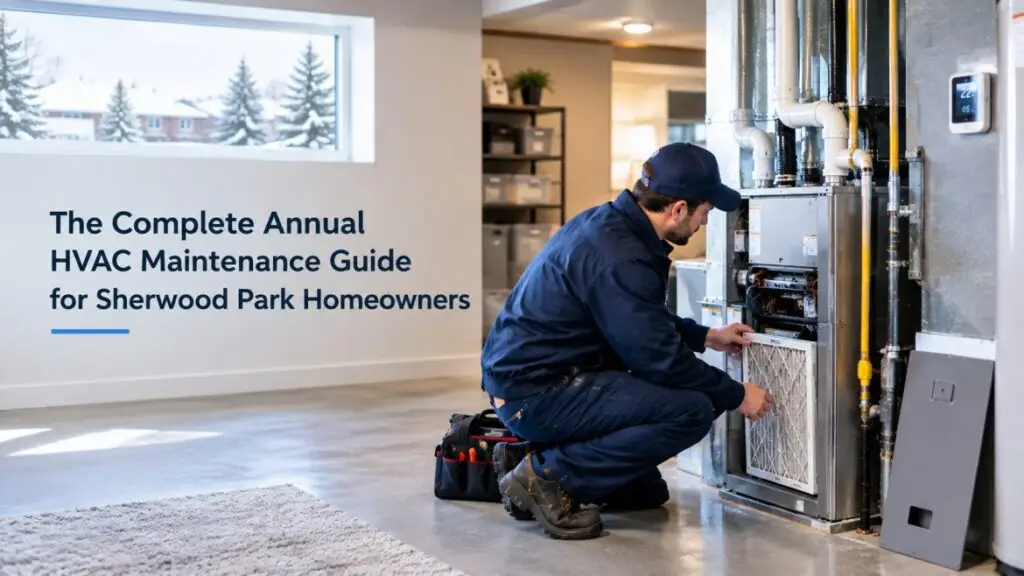
The Complete Annual HVAC Maintenance Guide for Sherwood Park Homeowners Most Sherwood Park homeowners know their HVAC systems need maintenance. Fewer have a clear picture of what that maintenance actually involves, when each task should happen, and which items require a professional versus which can be handled independently between service visits. This guide provides a complete seasonal maintenance calendar for the heating, cooling, and water heating systems in a typical Sherwood Park home — organised by season, with clear distinction between homeowner tasks and professional service items. For a focused look at any individual system, the following guides go deeper on their specific topics: how long a furnace lasts in Sherwood Park · hot water tank maintenance guide · AC maintenance checklist for homeowners · how often to service your AC in Sherwood Park. Why Consistent HVAC Maintenance Matters More in Sherwood Park Alberta’s extreme seasonal swings put residential HVAC equipment under demands that most national maintenance guides underestimate. A furnace in Sherwood Park runs from October through April — accumulating significantly more annual operating hours than a furnace in Vancouver or Toronto. An air conditioner needs to perform reliably from the moment summer arrives with no warm-up period. Systems that are consistently maintained respond better to seasonal transitions, catch developing faults before they cause failures, and last measurably longer than those serviced reactively. In a climate where a mid-winter furnace failure or a July AC breakdown carry genuine consequences, the case for proactive maintenance is stronger here than in most other Canadian markets. Spring (April – May): Cooling System Prep and Heating Wind-Down Spring is the most important maintenance window for cooling systems — and the most commonly skipped. Homeowner tasks: Replace the furnace and air handler filter before cooling season begins. A fresh filter at the start of AC season ensures the system starts clean. Clear debris from the outdoor condenser unit. Sherwood Park’s cottonwood season is severe — check the condenser fins for packed seeds and rinse gently from inside out with a garden hose (never a pressure washer). Our full AC check-up guide for homeowners covers the complete outdoor unit cleaning process in detail. Clear at least 60cm of space around the entire condenser unit perimeter. Treat the condensate drain line with diluted vinegar to prevent algae buildup before cooling season. Test the thermostat in cooling mode — set below room temperature and confirm the system starts within a few minutes. Professional service: Book your annual air conditioning maintenance in Sherwood Park in April or May — before the first heat wave and before summer schedules fill. A comprehensive AC service includes refrigerant check, coil cleaning, electrical component testing, airflow measurement, and condensate system inspection. If you have a whole-home humidifier, spring is when it should be properly shut down for the season — water supply closed, bypass damper closed on bypass models, and the water panel left dry to prevent mould through summer. Our furnace humidifier repair and service guide covers the correct seasonal shutdown procedure for each humidifier type. If you have a boiler system rather than forced-air heating, spring is also a good window for post-season inspection before the system sits dormant through summer. Summer (June – August): Active Cooling Season Monitoring During active cooling season, consistent monitoring is the goal rather than major service intervention — catching small issues before they develop during the hottest weeks. Homeowner tasks (monthly): Check the air filter every month. During peak cooling season in a home with pets or multiple occupants, monthly replacement is often appropriate. Listen for new or unusual sounds during operation. A system developing a rattle, grinding sound, or clicking in July is communicating something worth addressing before the heat peaks. Monitor whether the system is maintaining your set temperature. A system running continuously without achieving your setpoint warrants a service call. Treat the condensate drain line every two to three months. Check your air purifier filter condition if you have a whole-home system installed. Understanding summer air quality: summer introduces distinct indoor air quality challenges beyond what a filter change alone addresses — wildfire smoke, cottonwood pollen, and humidity fluctuations all affect indoor air in Sherwood Park in ways that your HVAC system is part of managing. Our summer indoor air quality guide for Sherwood Park covers the full picture. If you are experiencing heat pump issues during cooling season: a heat pump used for cooling in summer should be serviced on the same schedule as a standard air conditioner. If performance drops, call for service rather than running through a fault. For context on heat pump maintenance requirements, our heat pump guide for Sherwood Park covers the annual service scope specific to heat pump systems. Fall (September – October): Furnace Prep — The Highest-Priority Service Window Fall is the most critical maintenance window for heating systems in Sherwood Park. The goal is to have every heating system inspected, serviced, and ready before the first significant cold snap — which can arrive as early as late September. Homeowner tasks: Replace the air filter at the start of heating season — a fresh filter going into the furnace’s peak operating months is one of the highest-impact single maintenance actions available to any homeowner. Check that furnace venting and flue terminations are clear of obstructions. Birds occasionally nest in exterior vent caps during summer. Test carbon monoxide detectors on every level and replace batteries. CO detectors themselves should be replaced every 5 to 7 years — check the manufacture date on yours today. Test the thermostat in heating mode before it is needed for sustained heating — a thermostat with dead batteries or a calibration drift discovered in November is a preventable disruption. Restart your whole-home humidifier for the heating season: open the water supply valve, open the bypass damper on bypass models, replace the water panel with a new one for the season, and set the humidistat for incoming weather conditions. Professional service: Book your annual furnace tune-up in Sherwood Park in
When to Consider Hot Water Tank Replacement
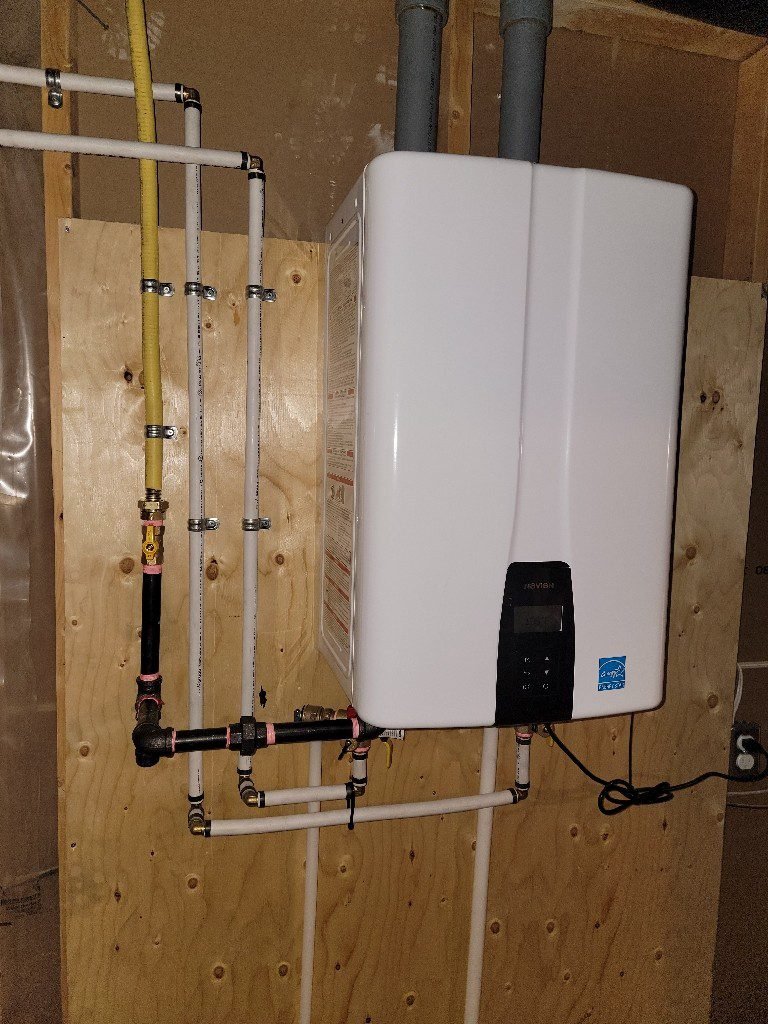
When to Consider Hot Water Tank Replacement Hot water tanks are an essential component of modern households, providing a reliable source of hot water for various domestic uses. These units are designed to heat and store water, ensuring a consistent hot water supply for everyday needs, from showering and washing dishes to laundry and cleaning. Understanding the lifespan and maintenance requirements of your hot water tank can help you make informed decisions about when to consider a replacement. Signs That Indicate the Need for Hot Water Tank Replacement Decreased capacity: If you notice that the water supply is depleting faster than usual or you’re not getting enough of it to meet your needs, it could be a sign that your tank is nearing the end of its lifespan. Leaks or moisture around the unit: Any visible signs of leaks or moisture around the base or connections may indicate a problem with the unit’s integrity, requiring immediate attention. Discoloured or rusty water: If the water coming from your taps appears discoloured or has a rusty tinge, it could be a sign of internal corrosion, which can compromise its performance and safety. Unusual noises: Strange noises, such as rumbling, popping, or banging, may indicate sediment buildup or other issues that require professional inspection. Reduced energy efficiency: If you notice a significant increase in your energy bills, it could be a sign that the unit is no longer operating at peak efficiency, leading to higher energy consumption. Factors That Affect the Lifespan of a Hot Water Tank Material: The material used in its construction can significantly impact its durability. Steel or copper tanks generally have a longer lifespan than those made from less durable materials. Water Quality: The lifespan of your tank can also be impacted by the quality of water in your home. Hard water, with high mineral content, can lead to the buildup of sediment and scale, which can shorten its lifespan. Size: Size can also influence a tank’s lifespan. Larger tanks experience more wear and tear over time, as they are used more frequently to meet household demands. Maintenance and Upkeep: Regular maintenance, such as flushing and checking for any issues, can help extend its lifespan. Benefits of Hot Water Tank Replacement Improved Efficiency: A newer, more energy-efficient unit can help reduce your energy bills and your carbon footprint. Increased Reliability: A new unit is less likely to experience issues or breakdowns, providing a more reliable source for your household. Enhanced Safety: Older units may pose safety risks, such as the potential for leaks or even explosions. Replacing them can help mitigate these risks. Increased Capacity: If your household’s needs have increased over time, upgrading to a larger-capacity unit can help ensure a steady supply of hot water. Hot Water Tank Replacement Options Conventional Storage Tank: This is the most common type, which stores and heats a large volume of water. Tankless (On-Demand) Water Heaters: These units heat water only when needed, rather than storing a large volume, which can be more energy-efficient. Choosing the Right Size and Type When selecting a replacement for a hot water tank, it’s essential to choose the right size and type to meet your household’s needs. Factors to consider include the number of people in your home, daily usage, and the available space. Hiring a Professional It’s generally recommended to hire a professional plumber or HVAC contractor to ensure the job is done safely and correctly. They can assess your specific needs, choose the right replacement tank, and handle the hot water tank installation process efficiently. Hot Water Tank Maintenance Tips Flush it regularly to remove sediment buildup. Inspect the anode rod and replace it when necessary to prevent corrosion. Insulate it and the pipes to improve energy efficiency. Adjust the temperature setting to the recommended range of 120°F to 140°F. Check for any leaks or issues and address them promptly. Conclusion Maintaining and replacing your hot water tank when necessary is crucial to ensuring a reliable and efficient source of hot water for your home. By understanding the signs of a failing unit, the factors that affect its lifespan, and the benefits of replacement, you can make informed decisions about when to consider a hot water tank replacement. Remember, regular maintenance and timely replacement can help you avoid costly repairs, improve energy efficiency, and ensure the safety and comfort of your household. If you’re concerned about the condition of your hot water tank or are considering a replacement, don’t hesitate to contact us. We can assess your needs, provide expert recommendations, and ensure a smooth and efficient hot water tank replacement process. Take the first step towards a reliable and energy-efficient solution for your home.
Keep Your Alberta Home’s Air Fresh This Summer with These Simple Steps

Keep Your Alberta Home’s Air Fresh This Summer with These Simple Steps When Alberta’s summer heat rolls in, we naturally spend more time indoors with the AC cranked up. But while we focus on staying cool, it’s easy to overlook the quality of the air we’re breathing inside our homes. Between wildfire smoke, dust, pollen, and pet dander, indoor air can quickly become stale, stuffy, and even hazardous. The good news? You don’t need a major renovation or an expensive overhaul to freshen up your air. With a few smart, budget-friendly moves, you can noticeably improve your home’s indoor air quality and create a healthier, more comfortable living space this season. Upgrade to High-Quality Air Filters Your HVAC system’s air filter is the first line of defence against airborne irritants. Standard filters often miss fine particles like smoke, pollen, and mould spores — especially during Alberta’s wildfire season. Swapping out your regular filter for a high-efficiency option can capture more of these pollutants. It’s a simple, affordable upgrade that makes a noticeable difference in the air you breathe. Clean and Maintain Your AC System Your AC doesn’t just cool your home — it circulates the air you breathe. If it’s clogged with dust, dirt, and debris, it can push those contaminants through your home all summer long. Scheduling a professional AC tune-up at the start of the season ensures clean, efficient airflow. A technician can clean your coils, ducts, and fans, improving air circulation and reducing airborne pollutants while keeping your system energy-efficient. Invest in a Portable Air Purifier For high-traffic areas like living rooms, bedrooms, or home offices, a portable air purifier is an easy, effective solution. Choose a unit with a HEPA filter, which captures up to 99.97% of airborne particles — including allergens, dust, and smoke particles — especially useful during Alberta’s wildfire season. They’re energy-efficient, quiet, and perfect for boosting air quality where you spend the most time. Control Humidity Levels Summer in Alberta can swing between dry heat and humid stormy days. High indoor humidity creates a breeding ground for mould and dust mites, while air that’s too dry can irritate your respiratory system. Use a hygrometer to track levels and aim for 30%–50%. Too dry? Run a humidifier in key rooms to protect your skin, sinuses, and airways. Too humid? A dehumidifier will help cut moisture and reduce mould and dust mites. Simple fixes, big difference. Let Fresh Air In (When It’s Safe) When outdoor air quality is good, open your windows in the early morning or late evening to let fresh air circulate. Cross-ventilating for even 15 minutes a day can reduce indoor pollutant buildup. However, always check local air quality reports first, especially during wildfire season, and keep windows closed when smoke or allergens are high. Final Thought Indoor air quality directly affects your comfort, sleep, and long-term health — and improving it doesn’t have to be complicated or costly. By making a few small upgrades and seasonal adjustments, Alberta homeowners can breathe easier, stay cooler, and create a safer, fresher living space this summer. Ready to Breathe Easier This Summer? Book an HVAC tune-up, upgrade your filters, or explore air purifier options today. Small changes make a big difference when it comes to the air you live in. Contact our local Alberta HVAC pros now and enjoy a healthier, cooler home all season long.
Efficient Heating and Air Conditioning Installation: A Timeframe Analysis
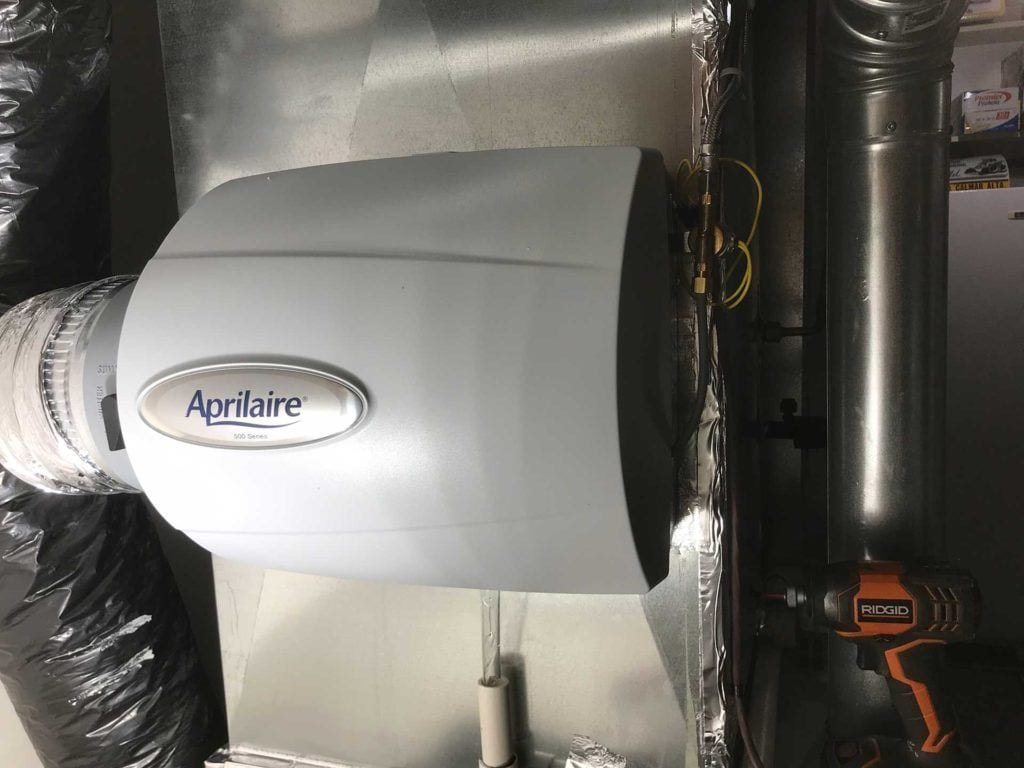
Efficient Heating and Air Conditioning Installation: A Timeframe Analysis Heating and air conditioning systems are essential for maintaining a comfortable indoor environment throughout the year. Whether you’re building a new home or upgrading your existing system, the installation process can be a significant undertaking. Understanding the various factors that influence the installation timeframe can help you plan and budget effectively. Importance Efficient heating and air conditioning systems not only provide optimal comfort but also contribute to energy savings and environmental sustainability. By selecting the right system and ensuring a proper installation, you can enjoy a more comfortable living or working space while reducing your carbon footprint and utility bills. Factors to Consider Before Installation Before embarking on the installation process, it’s crucial to consider several factors: Home or Building Size: The square footage of the space that needs to be heated and cooled will determine the capacity and type of system required. Energy Efficiency: Look for systems with high SEER (Seasonal Energy Efficiency Ratio) and HSPF (Heating Seasonal Performance Factor) ratings to maximize energy efficiency. Climate and Location: The local climate and weather patterns will influence the type of system that best suits your needs, such as a heat pump or a furnace and air conditioner combination. Budget: Establish a realistic budget that accounts for the equipment, installation, and ongoing maintenance costs. Existing Infrastructure: If you’re upgrading an existing system, the condition and compatibility of the current ductwork, electrical, and plumbing systems will impact the process. Understanding the Different Types of Heating and Air Conditioning Systems The heating and air conditioning market offers a wide range of system types, each with its own advantages and considerations: Central Air Conditioning: A centralized system that uses a network of ducts to distribute cool air throughout the home or building. Heat Pumps: Versatile systems that can both heat and cool the space, making them a popular choice in milder climates. Furnaces: Gas or electric-powered systems that generate heat and distribute it through the ductwork. Ductless Mini-Split Systems: Compact, wall-mounted units that provide heating and cooling without the need for extensive ductwork. Understanding the unique characteristics of each system type will help you make an informed decision that aligns with your needs and budget. The Time Required for Installation The time required for a heating and air conditioning installation can vary significantly depending on several factors. In general, a typical installation can take anywhere from a few hours to several days, depending on the complexity of the project. Factors that Can Affect the Timeframe System Type: The complexity of the system being installed, such as a central air conditioning unit versus a ductless mini-split, can impact the installation duration. Existing Infrastructure: If the existing ductwork, electrical, or plumbing systems need to be modified or replaced, the process can take longer. Accessibility: The ease of access to the installation site, such as the availability of space for equipment and the distance from the power source, can influence the overall time. Permits and Inspections: Depending on your local regulations, obtaining the necessary permits and passing inspections can add time to the whole process. Weather Conditions: Extreme weather conditions, such as heavy rain or snow, can delay the process and require additional safety precautions. Skill Level of the Installers: The experience and expertise of the installation team can significantly impact the efficiency and speed of the process. Efficient Installation Techniques Proper installation techniques are crucial for ensuring the optimal performance and longevity of your heating and air conditioning system. Some of the key techniques that professional installers employ include: Proper Sizing: Accurately sizing the system to match the heating and cooling needs of the space is essential for energy efficiency and comfort. Ductwork Design: Carefully designing the ductwork layout to minimize airflow resistance and ensure even distribution of conditioned air. Electrical and Plumbing Integration: Ensuring a seamless integration of the electrical and plumbing components to support the system’s operation. Insulation and Sealing: Properly insulating and sealing the ductwork, piping, and other components to prevent energy loss and maintain system efficiency. Refrigerant Charging: Accurately charging the system with the appropriate type and amount of refrigerant for optimal performance. Testing and Commissioning: Thorough testing and commissioning of the system to verify its proper operation and make any necessary adjustments. By employing these efficient techniques, professional installers can help ensure a smooth and timely process while maximizing the system’s long-term performance. Hiring a Professional While it’s possible for some homeowners to tackle a heating and air conditioning installation project themselves, it’s generally recommended to hire a professional HVAC (Heating, Ventilation, and Air Conditioning) contractor. Experienced professionals have the necessary skills, tools, and expertise to ensure a safe, efficient, and code-compliant installation. When selecting an HVAC contractor, consider the following: License and Certification: Ensure the contractor is licensed and certified to perform HVAC installations in your local area. Experience and Reputation: Look for a contractor with a proven track record and positive reviews from previous clients. Warranty and Guarantees: Inquire about the warranties and guarantees offered on the equipment and the installation work. Permits and Inspections: Confirm the contractor will handle the necessary permits and inspections required by your local authorities. Energy Efficiency Expertise: Seek a contractor who can provide guidance on energy-efficient system options and installation techniques. Hiring a professional HVAC contractor can provide you with peace of mind, ensure a smooth process, and help maximize the long-term performance and efficiency of your system. Conclusion By understanding the factors that influence the installation timeframe and working with a professional HVAC contractor, you can ensure a smooth and efficient process, ultimately leading to long-term comfort, energy savings, and enhanced property value. To ensure a seamless and efficient installation, contact our team of experienced HVAC professionals today. We’ll work with you to assess your needs, recommend the best system for your home or building, and provide a detailed timeline and cost estimate. Don’t settle for anything less than the perfect climate control solution – let us help you achieve optimal comfort
Discover the Benefits of Softened Water
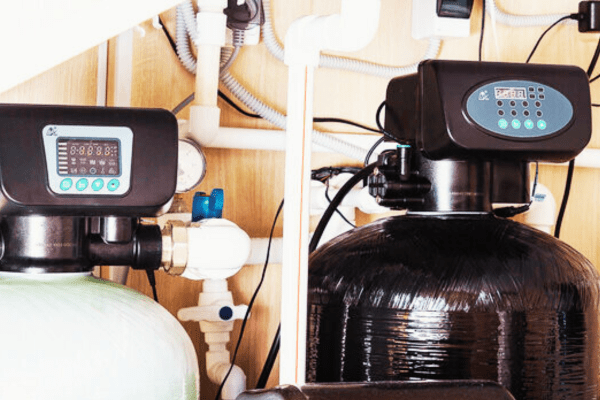
Discover the Benefits of Softened Water A hard water softener is a device that is installed in your home’s plumbing system to remove the minerals that cause hard water. Hard water contains a high concentration of minerals, primarily calcium and magnesium. These minerals can cause a variety of problems in your home, from reduced efficiency of appliances to unsightly buildup on fixtures and dishes. The water softener works by using an ion exchange process to remove the minerals. It contains resin beads that are coated with sodium ions. As the hard water passes through the softener, the calcium and magnesium ions in the water are exchanged for the sodium ions on the resin beads. This process effectively removes the hardness from the water, leaving it “softened” for use in your home. Signs of Hard Water and the Effects on Your Home If you’re unsure whether you have hard water, there are a few telltale signs to look for: Spotty dishes and glassware: Hard water can leave behind mineral deposits that create unsightly spots and streaks on dishes, glasses, and silverware, even after washing. Soap scum buildup: Hard water can react with soap to create a sticky, gummy residue that builds up on sinks, tubs, and showers. Decreased efficiency of appliances: The mineral deposits can clog pipes and reduce the efficiency of water-based appliances like washing machines, dishwashers, and water heaters. Dry, itchy skin and dull, lifeless hair: The minerals can make it difficult for soap and shampoo to lather and rinse effectively, leading to skin and hair problems. Stiff, scratchy laundry: Hard water can make clothes feel stiff and rough, and can also cause fading and wear on fabrics over time. The Benefits Investing in a hard water softener can provide numerous benefits for your home and your family: Improved appliance efficiency: Softened water reduces the buildup of mineral deposits in pipes and appliances, which can extend their lifespan and improve their performance. Cleaner dishes and glassware: Softened water leaves behind no mineral deposits, resulting in spotless, streak-free dishes and glassware. Softer, smoother skin and hair: Softened water allows soap and shampoo to lather more effectively, leaving your skin and hair feeling softer and more manageable. Brighter, longer-lasting laundry: Softened water helps clothes stay cleaner and last longer, as it prevents the buildup of mineral deposits that can wear down fabrics. Reduced scale buildup: Softened water significantly reduces the formation of limescale and mineral deposits on fixtures, pipes, and other surfaces in your home. Do I Need a Water Softener? Factors to Consider Deciding whether or not to install a water softener in your home depends on a variety of factors, including: The hardness of your water: If your water has a high mineral content, a water softener can be a worthwhile investment. You can have your water tested to determine the hardness level. The size of your household: The size of your home and the number of people living in it will affect the size and capacity of the softener you’ll need. Your budget: Water softeners can be a significant investment, so you’ll need to consider the upfront cost of the equipment as well as the ongoing maintenance and operating expenses. Your personal preferences: Some people prefer the taste of unsoftened water or are concerned about the potential health effects of softened water. Local regulations: In some areas, there may be restrictions or requirements around their use, so it’s important to check with your local authorities. The Installation and Maintenance Installing a water softener can be a complex process, and it’s often best to have a professional plumber handle the job. They can ensure the system is properly sized and integrated into your home’s plumbing system. Ongoing maintenance is also crucial for their continued effectiveness. This typically includes: Regularly adding salt to the brine tank Cleaning the resin beads Checking and replacing the filter as needed Performing periodic regeneration cycles Monitoring the system’s performance and making adjustments as necessary Neglecting its maintenance can lead to a decrease in its efficiency and potentially even damage to your plumbing system. Conclusion: Making the Decision Deciding whether or not to install a water softener in your home is a decision that requires careful consideration. It provides numerous benefits, including improved appliance efficiency, cleaner dishes and laundry, and softer skin and hair. The decision to use it depends on your specific needs, budget, and personal preferences. By understanding the signs of hard water, the benefits of water softeners, and the various options available, you can make an informed decision that best meets the needs of your home and your family. If you’re ready to take the next step and explore options for your home, schedule a consultation with Sherwood Mechanical Services. They can help you evaluate your water quality, recommend the right solution, and provide a customized quote. Don’t let hard water continue to cause problems in your home – take action today and enjoy the benefits of softened water.
How to take care of Covid at Home
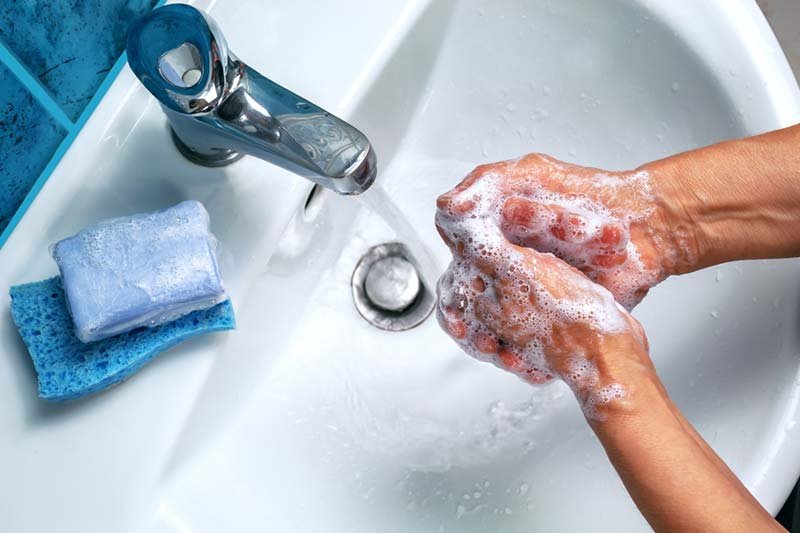
How to take care of Covid at Home In September 2019, Sherwood Mechanical shared a blog titled Do You Have Clean Air in Your Home. In it, we talk about the invisible mix of bacteria, viruses, pollen, mold, household cleaning solutions, plus other indoor pollutants that are typically found in our homes. Our blog also covers a number of ways to defend against these indoor air pollutants, including having a qualified technician install a UV light treatment in your furnace ductwork, which effectively cleans your indoor air of both visible and invisible air impurities. An air purifier that is highly effective in cleaning the air in your home is the Sanuvox® UV Air Purifier. This UV air purification system can “destroy airborne viruses, including the Coronavirus”. But as Sanuvox® also states, no air purifier can disinfect surfaces such as door handles and light switches, where the virus often lives for hours and even days. What is Ultraviolet (UV) Light? Ultraviolet light (UV) is invisible to the human eye. Most people connect UV light to the sun. The sun’s UV light is primarily absorbed by the Earth’s ozone layer. Other facilities also use Sanuvox® UV Air Purifier products. More Information on How to Prevent the Spread… Alberta Health Services shares, the most effective way to protect ourselves against COVID-19: good hygiene, including frequent hand washing, social distancing, plus other measures. If you are interested in hearing more about the Sanuvox® UV Air Purifier, give us a call at 780-449-5322 or email sandy@sherwoodmech.com. In the meantime, stay healthy, stay safe, stay positive! (I removed the “click here” text because I don’t have the original Sanuvox link. If you have it, link the words “Sanuvox® UV Air Purifier products” to it.)