
Keep Your Home Running Smoothly with Professional Water Heating Services in Sherwood Park
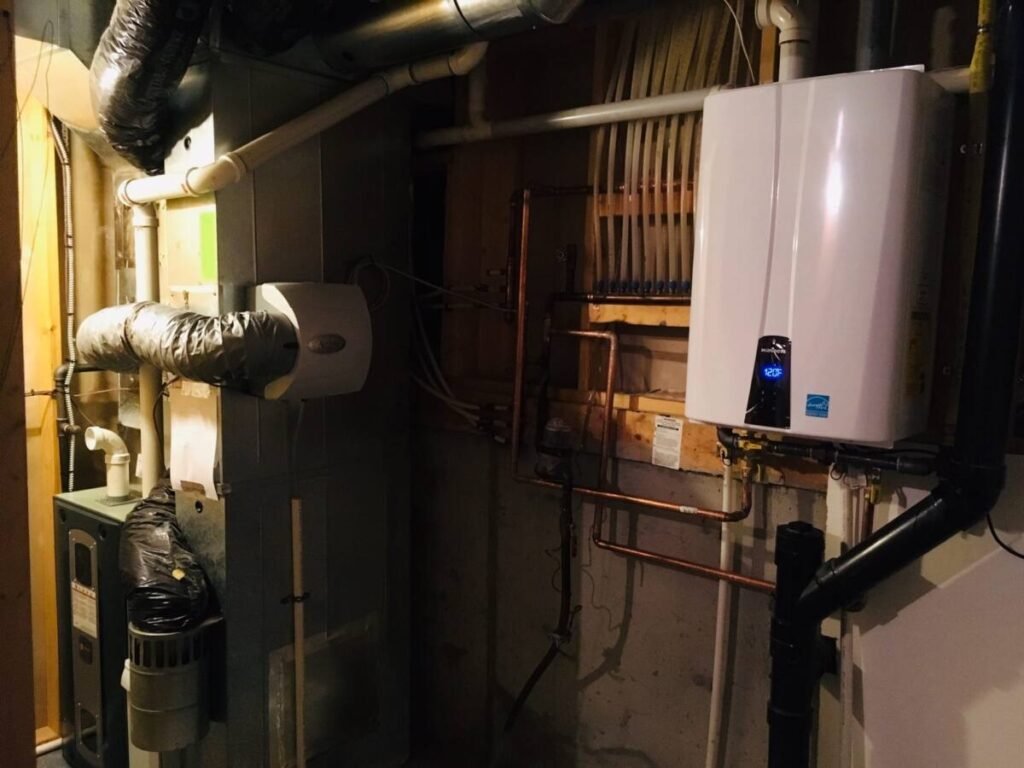
Keep Your Home Running Smoothly with Professional Water Heating Services in Sherwood Park When it comes to home maintenance, water heating is one of the most essential services. A well-functioning water heating system ensures your home runs smoothly, providing hot water, efficient heating. Whether you’re dealing with an emergency leak or planning an upgrade, knowing your options can help you make informed decisions. Hot Water Tank Installation & Repairs Traditional hot water tanks are workhorses for many homes, but they require care to run efficiently. These systems heat and store water in a tank, ready for use throughout the day. Specialized Services: Removal and disposal of old tanks Precise installation of new tanks with updated piping and safety valves Anode rod inspections to prevent rusting from the inside Thermostat and heating element replacement for consistent water temperature Tankless Water Heater Services Tankless water heaters heat water only when needed, making them ideal for energy savings and smaller homes or condos. Installation and maintenance differ significantly from tank systems. Specialized Services: System sizing and load calculation to match your household’s demand Wall-mount installation for space-saving design Descaling and flushing of internal coils to maintain energy efficiency Upgrades from tank to tankless systems, including electrical and gas line modifications Boiler Installation & Servicing Boilers provide both hot water and home heating, especially in homes with radiant heat systems. These complex systems require specialized attention to avoid pressure issues or heat loss. Specialized Services: Hydronic system setup for radiant or baseboard heating Pressure relief valve inspections and safety testing Zone valve and circulator pump repairs for even heat distribution Annual boiler tuning and combustion analysis for efficiency and emissions control Choosing the Right Water Heating Service in Sherwood Park Finding a reliable plumber is crucial for maintaining your home’s water heating system. When choosing a plumbing service, consider the following factors: Licensed and Insured Technicians – Ensure the company is certified and follows industry standards. 24/7 Emergency Services – water heating issues can arise anytime, so having access to round-the-clock service is beneficial. Customer Reviews and Reputation – Check online reviews and testimonials for reliable service providers. Transparent Pricing – Get detailed estimates upfront to avoid hidden fees. Final Thoughts From installing efficient water heaters to protecting your basement with a sump pump, professional water heating services at Sherwood Mechanical Services in Sherwood Park offer comprehensive solutions for homeowners. Whether you need routine maintenance or emergency repairs, working with experienced plumbers ensures your home’s plumbing system remains in top condition. If you’re looking for expert water heating services near you in sherwood park, don’t wait until a minor issue becomes a major problem. Contact us today and keep your home running smoothly!
Signs that Your Hot Water Tank Needs Replacing
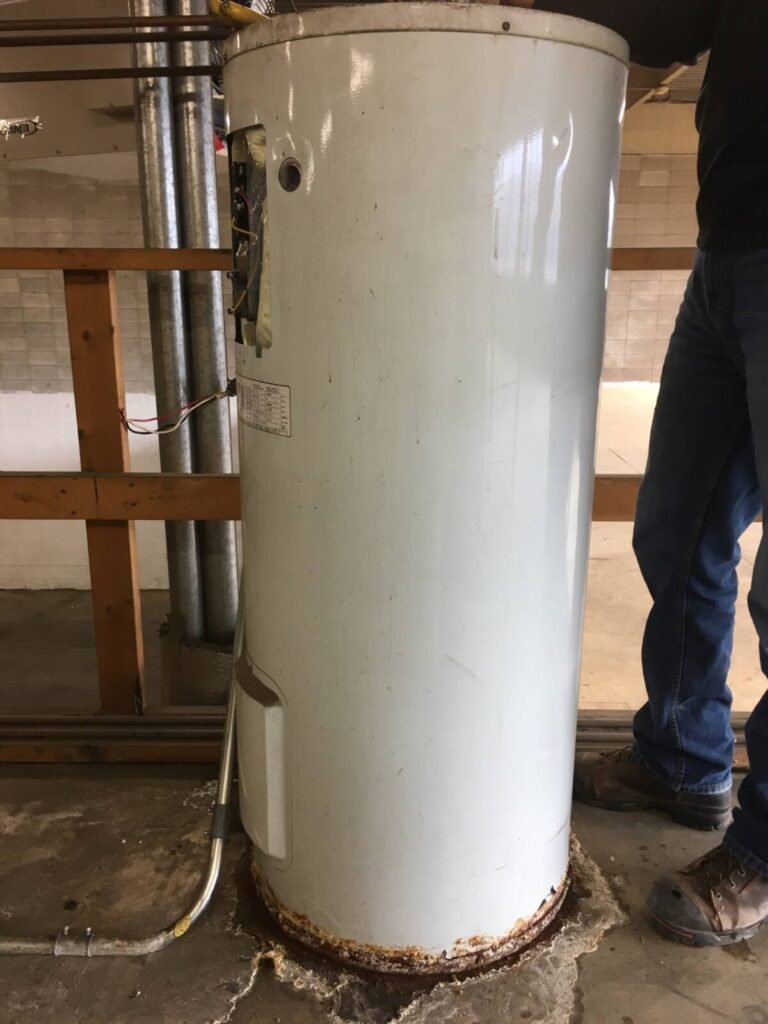
Signs that Your Hot Water Tank Needs Replacing Having a reliable and efficient hot water tank is essential for the comfort and convenience of your home. It is responsible for providing you and your family with the hot water needed for bathing, cleaning, and various other household tasks. When it is not functioning properly, it can lead to a range of issues, from cold showers to increased energy bills. It’s important to be aware of the signs that your hot water tank may be in need of replacement. By staying vigilant and addressing any issues promptly, you can ensure that your home’s hot water supply remains consistent and cost-effective. Signs for Replacement Age of the tank: Hot water tanks typically have a lifespan of 8 to 12 years. If your tank is approaching or exceeding this age, it may be time to consider replacement. Rusty water: If you notice that the water from your hot water taps has a rusty or discoloured appearance, it could be a sign that the tank’s interior is corroding. This can lead to reduced efficiency and potential leaks. Frequent repairs: If you find yourself repeatedly calling for plumbing services, it may be more cost-effective to replace the entire unit rather than continuing to make repairs. Inconsistent water temperature: Fluctuations in water temperature, such as sudden drops or inconsistent heating, can indicate that your hot water tank is not functioning properly. Unusual noises: If you hear rumbling, popping, or other unusual noises coming from your hot water tank, it could be a sign of sediment buildup or other internal issues. Leaks: Any visible leaks around the base of your hot water tank or in the surrounding area should be addressed promptly, as they can lead to water damage and other problems. Benefits of Replacement Replacing your hot water tank can provide a range of benefits, including: Improved energy efficiency: Newer, more energy-efficient models can help you save on your utility bills by using less energy to heat your water. Increased reliability: A new hot water tank will provide a more consistent and dependable supply of hot water, reducing the risk of unexpected failures or interruptions. Reduced maintenance: Newer tanks typically require less maintenance and repairs, saving you time and money in the long run. Enhanced safety: Modern hot water tanks often feature advanced safety features, such as automatic shutoff valves, to prevent accidents and potential hazards. Increased home value: Upgrading your home’s hot water system can be a valuable investment, as it can improve the overall appeal and functionality of your property. How to Choose? When it comes to selecting a new hot water tank for your home, there are several factors to consider: Tank size: Determine the appropriate tank size based on your household’s hot water needs, taking into account the number of bathrooms, appliances, and occupants. Fuel type: Choose between electric, natural gas, or tankless options, depending on your home’s existing infrastructure and energy preferences. Energy efficiency: Look for models with high energy efficiency ratings, such as those with the ENERGY STAR® certification, to maximize your energy savings. Warranty: Ensure that the tank you choose comes with a comprehensive warranty, providing you with peace of mind and protection against potential issues. Hiring a Professional Plumber for Hot Water Tank Replacement While some homeowners may feel tempted to tackle hot water tank replacement as a DIY project, it’s generally recommended to hire a professional plumber for this task. Plumbers have the necessary expertise, tools, and licenses to ensure that the installation is done safely and in compliance with local building codes. Expert plumbing advice for residents of Sherwood Park As a Sherwood Park resident, it’s important to be aware of the common plumbing issues that can arise in the area and how to address them effectively. Some of the most common plumbing problems in Sherwood Park include: Frozen pipes: During the colder winter months, pipes can be susceptible to freezing, leading to burst pipes and water damage. Sewer line clogs: The heavy clay soil in Sherwood Park can cause sewer lines to become clogged with tree roots, requiring professional intervention. Hard water: The high mineral content in Sherwood Park’s water supply can lead to the buildup of scale in plumbing fixtures and appliances, reducing their efficiency. To address these issues, it’s recommended to work with a reputable plumbing service that is familiar with the unique challenges of the Sherwood Park area. These professionals can provide expert advice and solutions to help ensure the longevity and proper functioning of your home’s plumbing system. DIY tips for maintenance While it’s generally recommended to leave major plumbing repairs and replacements to the professionals, there are some simple DIY tasks you can perform to help maintain your hot water tank and extend its lifespan: Drain the tank: Periodically draining your hot water tank can help remove sediment buildup, which can improve efficiency and prevent premature failure. Check the anode rod: The anode rod helps to protect the tank’s interior from corrosion. Inspect it regularly and replace it if it’s significantly corroded. Insulate the tank: Wrapping your hot water tank with an insulating jacket can help reduce heat loss and improve energy efficiency. Monitor the temperature: Ensure that your hot water tank is set to the recommended temperature, typically between 120°F and 140°F, to prevent scalding and maximize efficiency. Inspect for leaks: Regularly check the tank and surrounding area for any signs of leaks, and address them promptly to prevent water damage. By following these simple maintenance tips, you can help extend the lifespan of your hot water tank and avoid the need for a premature replacement. Conclusion Maintaining a properly functioning hot water tank is essential for the comfort and efficiency of your Sherwood Park home. By being aware of the signs that it may need replacing, and taking proactive steps to address any issues, you can ensure that your home’s hot water supply remains reliable and cost-effective. When the time comes to replace your hot water tank, it’s important to work with a reputable plumbing service in Sherwood Park that has the expertise and experience to guide you through the process. With the right
Do I Need a Water Softener at Home?
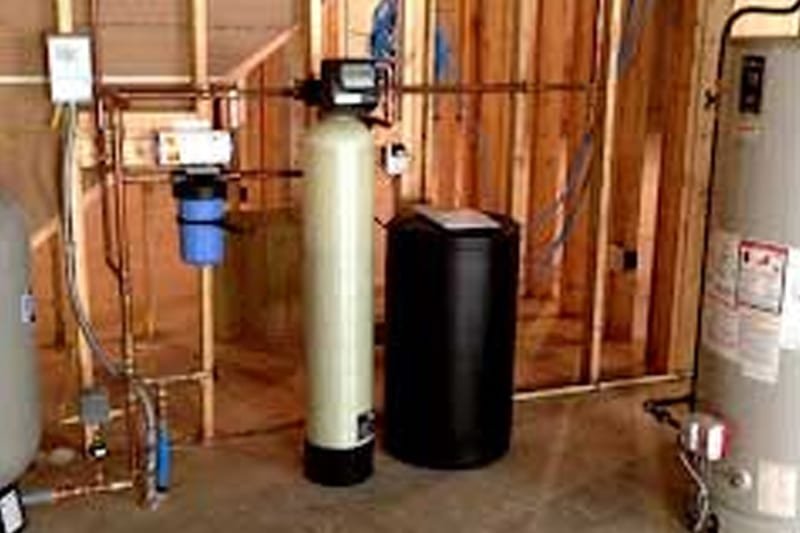
Do You Need a Water Softener in your Home? It’s common for our tap water to contain minerals like magnesium, calcium, and zinc. While these minerals don’t harm us if we drink tap water, we can end up with “hard water” – a term used to describe water that has an overabundance of calcium and magnesium. If left untreated, these minerals will eventually form chalk and limestone. And, if hard water goes untreated, it can wreak havoc on our homes by clogging pipes and leaving residue on your clothes, body and fixtures, while reducing the efficiency of your appliances and increasing our utility bills. So, what can you do to eliminate the excess junk in your home’s trunk? We’ll tell you how below. But first, how do you know if you have hard water? Read on. Checking for Hard Water Before you invest in a water softener system, you can easily check if your home does have hard water. Look for white scale buildup on your kitchen and bathroom fixtures: faucets, handles, including shower heads. If you have serious hard water buildup, you will see scale encrusted on and around the fixtures. In less serious cases, there may be minimal buildup, but two simple tests will tell you whether the water is hard: Fill a container with some water. Add dish soap to the filled container, then shake it up. Are there plenty of suds? If not, hard water is likely the culprit. Purchase water hardness test strips from a home improvement store. Following the directions, the strip will quickly show you the extent of your home’s water hardness. If you tried one or both options above and the results show you have hard water, you may want to consider purchasing a water softener. What is a Water Softener and How Does It Work? There are two types of water softeners: salt-based and salt-free, and both softeners attach to your home’s water supply. Salt-based softeners are often used to treat severe hard water cases by adding sodium to the water. The water-hardening minerals (calcium and magnesium) attach to the sodium and are flushed away in the water. Salt-free softeners, on the other hand, are typically used for less severe cases of hard water. These units treat and remove hard water through magnetic or electrical currents and are considered more environmentally friendly because they don’t require electricity or flush added chemicals through your water. Soft Water Benefits Despite the differences between salt-based and salt-free softeners, both systems work well. Here are four benefits of having a water softener in your home. 1. Save money Hard water, left untreated, won’t just accumulate in your shower or in your hot water heater. When scale builds inside a pipe, it reduces the amount of the space available for the flow of water. This means the water pressure must increase to push water through the pipes. This leads to more heat and energy being used, translating into higher utility bills. A water softener prevents this buildup, which keeps the extra dollars in your pocket, while reducing your carbon footprint. Using a water softener can also prevent scale building in your dishwasher and laundry machines, which increases the quality, efficiency and lifespan of your clothes washer and dishwasher, as well as your coffee machines, ice makers, and water heaters. 2. Softer hair and skin After showering in hard water, your hair can hold traces of calcium and magnesium. This makes your hair feel dry and brittle and look dull and frizzy. Your skin can also feel dry after showering or bathing in hard water as the minerals strip away your skin’s natural oils, leading to itchy and irritated skin. Because soft water contains fewer minerals, your skin picks up and holds moisture easier. 3. Cleaner clothes and dishes Soft water dissolves soap better than hard water, meaning a deeper clean for your clothes and dishes.If your home has hard water, minerals are likely left behind on your clothes, which will eventually result in faded colours and dull whites. Because soft water dissolves detergent better, your clothes will be cleaner and brighter. Your dishes are in for a similar result if washed in hard water, leaving a film on dishes once dried. A water softener fixes the problem by removing the minerals so there is no residue on your dishes. And because soft water fuses with soaps and detergent more completely, there is more lather and more cleaning action in your dishwashing routine. 4. Spend less time cleaning Anyone who has hard water in their home knows how time-consuming cleaning can be with the scrubbing needed to remove chalky lime and soap scum off showers walls, sinks and faucets. Soft water results in less soap scum and lime buildup, which means less time spent on heavy-duty scrubbing and also reduces the need to use harsh cleaning chemicals to remove the scale. How Can Sherwood Mechanical Help? If you are tired of your home’s hard water and scrubbing the mineral deposits off your faucets and shower walls, wearing faded clothes or dealing with your dry, itchy skin, give Sherwood Mechanical a call at 780-449-5322. Our team of professionals can answer your questions about water softeners and set up install at your convenience.
Six signs that you need to call a plumber
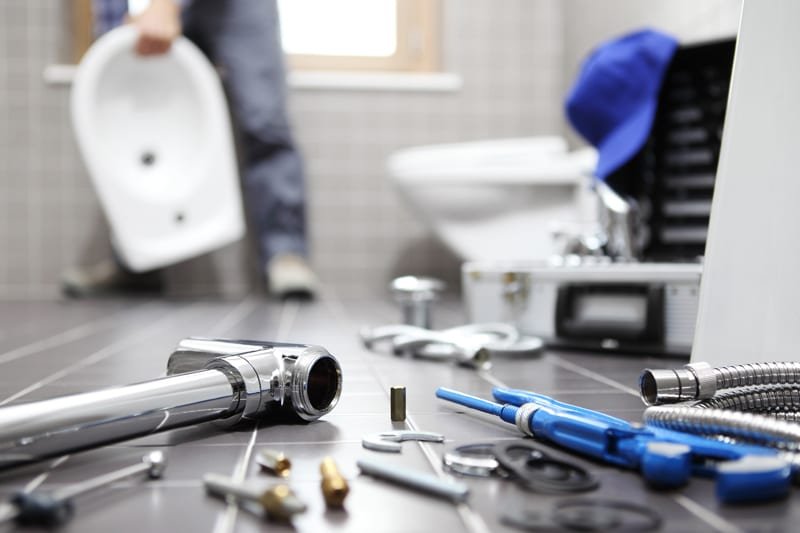
Six signs that you need to call a plumber Your plumbing system runs behind your walls, under your floors and in the ground. Which means that you can’t really see if there are any issues with it until there is a very noticeable problem that needs to be fixed. You should have your plumbing inspected regularly in order to catch these issues and have them repaired before you are hit with an unexpected bill. Here are six signs that your plumbing might need repair: 1. Damp walls and ceilings Wet stains on the walls of your home or wet rings on the ceiling are definite signs of leaks or cracks in a plumbing line. If you ignore these signs for too long, you could soon be looking at some very expensive repairs. Keep an eye out for these visual signs to ensure you nip any leak in the bud. 2. Indoor flooding If any part of the floor or basement is damp or flooded, the pipes may have sprung a leak, or you could have water coming in through your home’s foundation. If a pipe is leaking, it can damage your foundation, floors, drywall and other parts of your basement. Plus, this moisture will promote mildew growth and affect the air quality of your home. If you see dampness and think it is a plumbing-related issue, contact us immediately. 3. Outdoor flooding A puddle in the backyard when it hasn’t been raining or snowing, for example, could mean there is a problem with the main underground pipe. This could result in a partial or full main line repair is in order. The first step with an outdoor water concern is to check with your city or county utilities department. The main lines outside of your home might be city – or county- owned, which means it’s their responsibility to fix. 4. No running water If water isn’t running out of your taps, and it’s the dead of winter, your pipes may have frozen. If any section of the plumbing is exposed to the outdoors, check for any bulging on the pipes as this is usually an indicator of freezing; and if one pipe is frozen, there may be others, calling a professional plumber to help prevent further damage is probably a good idea. No running water could also be a sign of hard water scale accumulation. The minerals in hard water leave deposits in the pipes and clog them up. These can continue to collect until there’s no option left but to replace the line. 5. Low water pressure If the water pressure in your faucets has dropped, there might be a leak, which will cause most of the water to seep out elsewhere. As it’s difficult to be sure exactly where the problem is, you should have a certified plumber inspect your plumbing system and make the necessary repairs. 6. Unusually high water bill Any problem with the water line can lead to a lot of undetected wasted water. If there is a sudden spike in your water bill, damaged and leaking plumbing might be the culprit. Contact us to inspect your plumbing system and fix the repair. Leaking pipes can create expensive water damage to other parts of your home if not dealt with promptly. Do you have concerns about your plumbing? Want your pipes check for peace-of-mind? Call Sherwood Mechanical today at (780) 449-5322.
Tankless water heater vs traditional hot water tanks
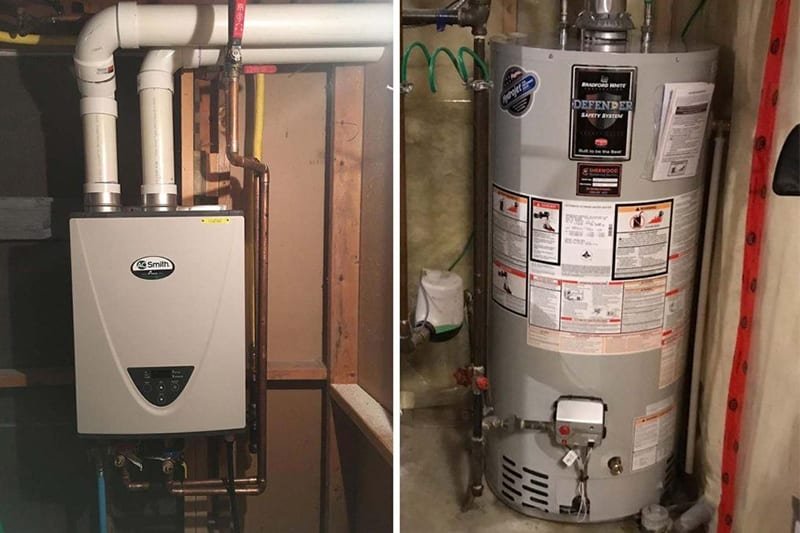
Tankless water heater vs traditional hot water tanks With more homeowners looking for energy-efficient ways to reduce their impact on the environment and spend less on energy bills, products like the tankless water heaters have become more popular. Tankless water heaters heat your water only as-needed, so, unlike traditional hot water tanks, they do not use energy to continually heat a large amount of water that is not needed. Here are some pros and cons for choosing either energy-efficient tankless water heaters or traditional hot water tanks. Operation Tankless Water Heater: When the hot water tap is turned on, water travels through the pipe directly into the unit where it is heated by either a gas burner or electric element, depending on the model. With no storage tank there is a limit to the flow rate. However, hot water is there as long as you need it. Hot Water Tank: Water flows into the tank, where it is heated by either gas or electricity, and stored until needed. When emptied, you run out of hot water until the tank is able to heat more water. Amount of Hot Water Tankless Water Heater: A tankless heater can provide about 7 to 15 litres of hot water per minute. When sized correctly to meet your needs and space, a tankless water heater can supply enough hot water for simultaneous uses. If not sized correctly, you might not get enough hot water for your shower if the washing machine or dishwasher is running. Larger homes may require two or more units. We can recommend the appropriate size or number of tankless water heaters for your home. Hot Water Tank: A hot water tank for an average-sized home can heat and store between 30 to 75 gallons of water at one time. Larger tanks are recommended for larger homes. Although hot water tanks store more water, it is also more expensive to have such a large volume of water continuously heated while stored. Energy Savings Tankless Water Heater: According to Energy Saver, homes that use less than 41 gallons of hot water daily could be 24% to 34% more energy efficient using a tankless water heater over a storage-style hot water tank. Even if you use a lot of hot water, a tankless heater remains 8% to 14% more efficient. With a tankless water heater installed at every hot water outlet, homeowners can expect to increase efficiency up to 50%. EnergyStar® estimates that a typical family can save $100 or more per year with an EnergyStar-qualified tankless water heater. Hot Water Tank: Though newer hot water tanks are more efficient than older models, they can not compare to tankless heaters. There will always be a standby heat loss associated with storing hot water. In most gas-fueled hot water tanks, the pilot light heats the water in the tank so in that case, energy is not wasted. Initial Cost Tankless Water Heater: The initial cost of a tankless water heater is more than a traditional hot water tank. However, savings are achieved with lower energy consumption and, when sized correctly, provide continuous hot water. Hot Water Tank: Hot water tanks cost less than tankless water heaters, but they are not energy efficient and have a limit to the hot water they can deliver. Call us now to discuss your hot water heating needs!
4 Steps to Avoiding Costly Plumbing and HVAC Emergencies Calls
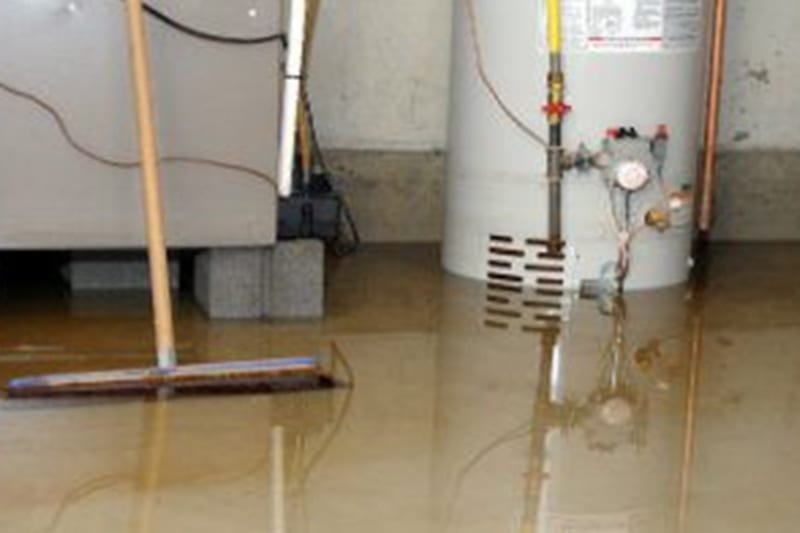
4 Steps to Avoiding Costly Plumbing and HVAC Emergencies Calls AS A HOME OR BUSINESS OWNER, YOU TRY TO MAINTAIN YOUR PROPERTY AND MECHANICAL EQUIPMENT TO AVOID EMERGENCIES – AND THE HEFTY BILL THAT USUALLY FOLLOWS WHEN YOU MAKE AN EMERGENCY CALL TO AN HVAC OR PLUMBING PROFESSIONAL. So, what can you do to avoid having to make said emergency call? Simply follow these four easy steps. 1. Schedule Preventive Maintenance It’s not uncommon for owners to avoid servicing their residential or commercial plumbing and HVAC equipment due to the cost. At least until the boiler breaks down, the hot water tank bursts, or the flooring is ruined because of eroded pipes. However, the cost of repairing the resulting damage and replacing the faulty equipment far exceeds the cost of a maintenance plan. Preventative maintenance should include checking all water-related components (water heater, sprinkler system), parts (faucets, shower heads, drains) and pipes for rust, corrosion, leaks, and bent or broken parts, both inside and outside your home or business. Additional items to check: toilets bathtubs boiler piping/zone valves And don’t forget about seasonal maintenance: detach exterior hoses from faucets verify sump pump operation clean ductwork and other components 2. Install, Update or Automate Your Thermostat and Monitoring Systems Frequently adjusting your thermostat settings can strain your entire HVAC system, wearing out the components and adding to your energy consumption. Install or upgrade to an efficient automated thermostat that responds to changing temperature needs in a rapid, precise, and efficient way. Also, consider installing a mechanical monitoring system in your home or business that will quickly alert you of any malfunctions or unexpected temperature fluctuations in your plumbing or HVAC systems. 3. Be Kind to Your Pipes Residential and commercial plumbing is not designed to handle the latest, greatest “flushable” products. To be safe, it’s best to avoid disposing of “flushable” wipes and other “disposable” products in your toilets as they can eventually clog the pipes. What about those drop-in bowl cleaners? Although they may help clean your toilet bowl, the chemicals can damage pipes and potentially void pipe or toilet warranties. And who doesn’t enjoy the convenience of a kitchen sink garbage disposal? While this kitchen gadget can manage general food debris, some foods are better off for composting. In order to maintain its life expectancy, avoid feeding the following down your sink’s garbage disposal: Stringy vegetables and fruits (celery, corn husks) Rinds (melons, oranges) Dense, hard vegetables (carrots, potatoes, beets) Grease or fat, which coat and damage your pipes (including meat fats and skins) Finally, don’t hang clothes or other objects from exposed pipes. The strain of supporting wet clothes, string lights, or sheets (as room dividers) can cause the pipes to burst. 4. Know the Location of Your Main Water Valve Whether it’s in your home or place of business, it’s important to know where your main water valve is in the event of a plumbing emergency. Planning a get-away or travel for business? Shutting off your water is a good practice if you are going away for an extended period (attention all you snow birds). Preparation Goes a Long Way to Avoiding CostsAlthough it’s difficult to prepare for every possible plumbing and HVAC emergency, with some diligence and forethought, you can eliminate the need to make that plumbing or HVAC emergency call and avoid, or at least alleviate, the associated costs. Following the four steps above will reduce the chances of a small mechanical problem turning into a large and expensive one. So, for all your commercial or residential plumbing or HVAC needs, including a preventative maintenance plan, call Sherwood Mechanical at 780-449-5322. Our licensed and insured professionals are here to help. Don’t wait for an emergency – call Sherwood Mechanical today!