
AC Check Up – Tips for HomeOwners: How to Keep Your Air Conditioner Running All Summer
AC Check Up – Tips for HomeOwners: How to Keep Your Air Conditioner Running All Summer Summer in Sherwood Park arrives fast — and when temperatures climb, the last thing you want is an air conditioner that can’t keep up. The good news is that most AC breakdowns don’t happen overnight. They build up over weeks and months of skipped maintenance, dirty filters, and small issues that quietly grow into expensive problems. A proactive maintenance routine is the single best thing you can do to extend the life of your system, maintain consistent comfort, and avoid emergency service calls on the hottest day of the year. This checklist walks you through exactly what needs to happen — and when — to keep your air conditioner running reliably all season long. Why Checking Your AC Matters Alberta’s climate is harder on HVAC equipment than many homeowners realize. The swing between cold winters and hot summers means your air conditioner sits dormant for a large portion of the year before being asked to perform at full capacity. Dust and fluff settle in coils, debris clogs outdoor units, and refrigerant lines sit idle for months. When summer arrives, and you flip that switch, a neglected system has to work harder to reach your set temperature. That extra strain translates directly into higher energy use, faster component wear, and a shorter overall lifespan. Regular maintenance resets that cycle — keeping the system clean, efficient, and ready to perform when you need it most. DIY AC Check-Up Tips for Homeowners Replace or Clean the Air Filter (Every 1–3 Months) The air filter is the most frequently neglected component in any HVAC system — and one of the most important. A clogged filter restricts airflow, forcing your blower motor to work harder while simultaneously reducing the quality of air circulating through your home. During peak cooling season, check your filter every month. If it looks grey and dense with dust, replace it. Homes with pets, allergies, or multiple occupants will need more frequent changes than homes with one or two adults and no animals. Using the right filter for your system matters too. Higher MERV-rated filters trap more particles but restrict more airflow. Check your manufacturer’s guidelines before upgrading to a thicker filter — not every system is designed to handle the extra resistance. Clean the Outdoor Condenser Unit Your outdoor condenser unit pulls warm air from inside your home and releases it outside. For this process to work efficiently, the unit needs unobstructed airflow on all sides. Before the cooling season begins, inspect the unit for: Grass clippings, leaves, and cottonwood seeds packed into the fins Bent or crushed fins along the sides of the unit Vegetation growing within 60 cm of the unit Any objects stored nearby that block airflow Use a garden hose to gently rinse the fins from the inside out — never use a pressure washer, as the force can bend the fins and reduce efficiency. Clear at least 60 cm of space around the entire unit, and trim back any shrubs or plants that have grown too close over winter. Check and Clear the Condensate Drain Line When your AC removes humidity from the air, that moisture collects in a drain pan and exits through a condensate drain line. Over time, algae, mould, and debris can clog this line — causing water to back up into the drain pan, overflow, and potentially damage your ceiling, walls, or flooring. Clearing the condensate line is a straightforward maintenance step. Pour a small amount of diluted white vinegar through the access point in the line every few months during the cooling season to prevent algae buildup. If you notice water pooling around your air handler or a musty smell coming from your vents, the drain line is likely the culprit and should be inspected promptly. Test the Thermostat Before the Season Starts Before the first hot day hits, test your thermostat to confirm it’s reading and responding accurately. Set it to cooling mode and lower the temperature below the current room reading — your system should kick on within a few minutes. If you’re using an older mercury thermostat, this is a good time to consider an upgrade to a programmable or smart thermostat. Modern thermostats give you precise control over your indoor temperature, allow you to set schedules that match your family’s routine, and can help reduce energy consumption by not cooling an empty house throughout the day. Check All Vents and Registers Walk through your home and inspect every supply and return vent. Vents should be: Open and unobstructed by furniture, rugs, or curtains Free of dust buildup on the grilles Blowing cool air consistently Closing vents in unused rooms might seem like a smart way to redirect airflow — but it actually increases pressure in your ductwork and forces your system to work harder. Keep vents open throughout the home for balanced airflow. Listen for Unusual Sounds During Operation A well-maintained air conditioner runs quietly. When you start your system for the first time each season, take a moment to listen. Sounds you should not ignore include: Rattling or banging: Often indicates a loose component inside the air handler or outdoor unit Squealing or screeching: Typically signals a failing belt or motor bearing Clicking that doesn’t stop: Could point to an electrical issue or a failing relay Hissing: A potential sign of refrigerant escaping from the refrigerant lines If you hear any of these sounds, shut the system down and call a licensed HVAC technician. Running a system through an audible problem almost always makes the underlying issue worse. Schedule a Professional Maintenance Annually DIY maintenance keeps your system clean and catches obvious issues — but it doesn’t replace what a licensed technician can find during a comprehensive tune-up. A professional AC service includes: Checking refrigerant levels and inspecting for leaks Measuring airflow across the evaporator coil Testing electrical connections and capacitor readings Lubricating moving parts in the blower
Humidifier basics: everything you need to know before buying one
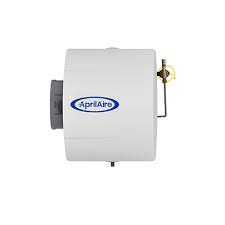
Humidifier basics: everything you need to know before buying one Dry indoor air can leave you dealing with uncomfortable symptoms, especially when you have issues with your skin, nose, throat and lips. A humidifier adds moisture to your home’s air. Proper humidity levels between 30 and 50% can substantially improve your comfort and health. We’ve created this guide to help you understand what a humidifier is, what humidifiers do and how to choose the right Aprilaire humidifier for your needs. You’ll learn about whole-house humidifiers and room humidifiers, the different types including bypass and steam models, how to select the best humidifier for your bedroom and throughout your home — plus installation and maintenance tips. If you’re already wondering about the overall air quality inside your home, a humidifier is one key piece of that puzzle. What is a humidifier and what do humidifiers do? How air humidifiers add moisture to your home An Aprilaire humidifier is a device that adds moisture to your indoor air by converting water into vapour or mist. The system draws water from a reservoir and disperses it throughout your home, helping maintain optimal humidity levels in your living spaces. Aprilaire offers different technologies to achieve this. Some models use evaporation — air passes through a water-saturated panel and picks up moisture naturally. Other systems use steam generation, heating water to create vapour released directly into your ductwork. Each method increases the moisture content in your home’s air and counteracts the dryness caused by heating systems during winter months. If you’re also concerned about contaminants beyond dryness, our air purifier installation service in Sherwood Park works seamlessly alongside humidification for whole-home air quality. Common problems humidifiers solve An Aprilaire house humidifier addresses many discomforts you might experience when indoor air lacks sufficient moisture: Central heating systems pump dry air throughout your home, and these problems become especially noticeable during colder months. Understanding how your furnace impacts indoor air quality is equally important — your heating system and humidifier work together as a team. An Aprilaire air humidifier solves these moisture issues by restoring humidity balance. Benefits for health and comfort An Aprilaire humidifier provides significant health advantages once installed. Your respiratory system functions more smoothly when moisturized — the added humidity helps thin mucus and makes coughing more productive. Breathing becomes easier. You can run an Aprilaire humidifier at night to improve sleep quality. Moisturized airways reduce snoring, and you’re less likely to wake up with a dry mouth or throat discomfort. Proper humidity levels can reduce airway inflammation for those with asthma or sinusitis. Our detailed post on the benefits of installing a humidifier in your home explores these health advantages in greater depth. Your home benefits too. Wood furniture and musical instruments maintain their integrity without cracking. Humidified air feels warmer, allowing you to lower your thermostat settings and reduce energy costs. Houseplants thrive in humidified environments, and your electronics experience less static buildup. For a full picture of what affects your home’s air, read our comprehensive guide to enhancing home air quality. Types of Aprilaire house humidifiers Aprilaire bypass humidifiers Aprilaire bypass humidifiers represent the most affordable option for whole-house humidification. These passive systems depend on your furnace’s blower motor and use a 6-inch bypass duct connecting the supply and return plenums. These units operate without noise since they lack their own fan motor. The term “flow-through” refers to water trickling through the water panel and out a drain, which flushes scale from calcium and lime buildup. Performance ties to furnace runtime, which can limit effectiveness with high-efficiency, multi-stage furnaces that have shorter heating cycles. If your furnace is aging or underperforming, it may be worth reviewing our furnace services in Sherwood Park to ensure your HVAC system supports proper whole-home humidification. Aprilaire steam humidifiers Steam humidifiers use electrode technology to boil water in a disposable canister. These units work for homes up to 6,200 square feet and deliver up to 34.6 gallons of moisture per day. They operate independently of heating cycles and provide the most precise humidity control available. Steam models work best with mineral-rich water, while bypass units need water with minimal minerals. Maintenance involves replacing the canister once per heating season. If your home uses hard water, you might also want to read about whether you need a water softener — mineral content directly impacts how your humidifier performs and how often it needs servicing. How to choose between models Your selection depends on home size, HVAC system type and budget. Single-stage or variable-speed furnaces pair well with bypass units. Steam humidifiers suit very large homes or spaces that need tight humidity control for wood furniture or musical instruments. Whole-house vs room humidifier options Aprilaire whole-house systems connect to your water supply and distribute moisture throughout your entire home via ductwork. Portable room humidifiers require daily refills and cleaning. Aprilaire units need maintenance just once or twice per heating season — making them the far more practical long-term choice for Alberta homeowners. Our blog on how proper humidifier installation improves indoor air quality in Sherwood Park — even in summer explains why year-round use delivers the best results. Key features to look for Digital humidistat controls let you monitor and adjust settings with ease. Automatic operation responds to real-time humidity levels without manual intervention, ensuring your home stays in the ideal comfort range at all times. Installing and maintaining your Aprilaire humidifier Professional installation vs DIY Qualified HVAC contractors must install Aprilaire humidifiers to maintain warranty coverage. Professional installation ensures proper electrical connections, water line hookups, and duct integration. DIY installation could save money upfront, but errors may spike energy bills or damage your HVAC system. Ready to install? Call us at (780) 449-5322 or visit our humidifier installation page for Sherwood Park to book with our certified HVAC technicians. We also serve homeowners in Fort Saskatchewan, Ardrossan and across Strathcona County. Not sure how to find the right contractor? Our guide on how to find a quality HVAC contractor walks you through what to look for, what questions to ask, and how to avoid costly mistakes. Professional help prevents expensive